

By Patrick Omoake
As the world grapples with rising food prices, accelerating climate change, persistent malnutrition, and an overstretched agricultural system, one humble food group is emerging as a powerful solution.
Observed annually on February 10, as established by the United Nations, World Pulses Day shines a spotlight on the critical role pulses play in building healthier populations and more sustainable food systems.
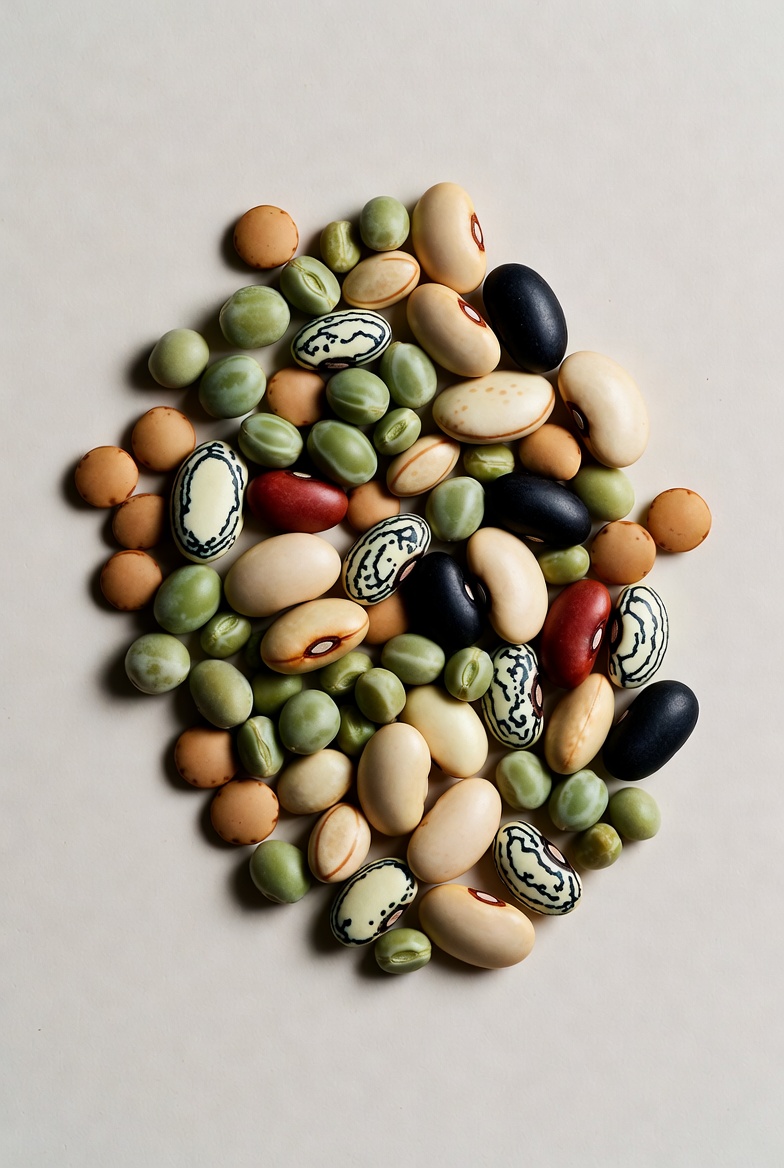
Often overlooked in modern food conversations, pulses, the edible seeds of legume plants such as lentils, chickpeas, beans, and peas, are nutritional powerhouses that are environmentally sustainable and economically empowering.
From smallholder farms in Africa to kitchens around the globe, pulses are proving to be one of the most strategic foods for the future.
The Nutritional Powerhouse
Pulses are found to be among the most nutrient-dense foods available. Rich in plant-based protein, dietary fibre, and essential micronutrients such as iron, zinc, potassium, folate, and magnesium, they provide a powerful nutritional package in a single serving.
At a time when non-communicable diseases are rising and millions continue to suffer from micronutrient deficiencies, pulses offer an affordable and cost-effective dietary solution.
Their high fibre content promotes healthy digestion and helps lower cholesterol levels, thereby reducing the risk of heart disease. Regular consumption of pulses has also been associated with improved blood sugar regulation, making them particularly beneficial in the prevention and management of type 2 diabetes.
Emerging evidence suggests that diets rich in pulses may reduce the risk of certain cancers and support long-term weight management due to their low fat content and high satiety value.
-
One cup of cooked lentils provides approximately 30% of the recommended daily iron intake.
-
One cup of cooked chickpeas delivers around 12 grams of fibre.
-
Pulses are naturally low in fat and contain no cholesterol.
-
They are rich in antioxidants that help protect cells from damage and reduce inflammation.
For populations facing anaemia and protein deficiencies, particularly in low- and middle-income countries, pulses remain an affordable and accessible nutritional safeguard.
A Climate-Smart Crop
Beyond nutrition, pulses are champions of environmental sustainability.
Unlike many animal-based protein sources, pulses require significantly fewer natural resources. Research shows that pulse crops such as lentils and chickpeas require up to 50% less water compared to protein sources like beef and poultry. In regions increasingly affected by drought and erratic rainfall, pulses are a resilient agricultural option.
One of their most remarkable qualities is their ability to fix nitrogen in the soil. Through a natural biological process, pulses enrich soil fertility, reducing the need for synthetic fertilisers. This not only lowers production costs for farmers but also minimises environmental pollution and greenhouse gas emissions associated with fertiliser production.
Studies indicate that pulse crops can sequester up to 1.5 tonnes of carbon dioxide per hectare per year, contributing to climate change mitigation. They also enhance soil biodiversity and improve long-term agricultural productivity.
In a world urgently seeking climate-smart agricultural solutions, pulses offer a practical pathway toward sustainable food production.
Pulses in Africa: A Pathway to Food Security
Across Africa, pulses are more than food; they are a foundation of food security and rural livelihoods.
In Nigeria, pulses such as beans, cowpeas, and groundnuts are dietary staples and a critical source of affordable protein for households across both urban and rural communities. Nigeria is also one of the largest producers and consumers of cowpeas globally, underscoring the crop’s importance to national food security, rural livelihoods, and agricultural resilience.
Beyond household consumption, pulse production in Nigeria supports millions of smallholder farmers, traders, and processors along the agricultural value chain. With improved investment in storage, processing, and market access, pulses hold significant potential to strengthen nutrition outcomes, boost rural incomes, and enhance climate-smart agriculture practices across the country.
In countries like Ethiopia, pulses such as lentils and chickpeas are consumed daily and serve as a primary protein source for millions. In Kenya, pulses are vital cash crops for smallholder farmers, providing income while simultaneously improving soil health through crop rotation systems.
Given the continent’s vulnerability to climate shocks and its ongoing battle with malnutrition, pulses offer a strategic advantage. Iron and zinc deficiencies remain prevalent in many African countries, particularly among women and children. Increasing pulse production and consumption can directly address these micronutrient gaps.
Moreover, pulses support small-scale farmers, many of whom are women, thereby contributing to poverty reduction, rural development, and economic empowerment.
With the right investment in research, improved seed varieties, storage systems, and market access, pulses could play a transformative role in strengthening Africa’s agricultural resilience.
Supporting Sustainable Pulse Production
To maximise the full benefits of pulses, coordinated efforts are required across policy, research, and consumer levels.
Governments and development partners must prioritise:
-
Promotion of agroecological farming practices
-
Investment in pulse research and improved seed systems
-
Better storage and post-harvest management
-
Improved market access for smallholder farmers
Organisations such as the International Fund for Agricultural Development (IFAD) are already supporting small-scale farmers across Africa to enhance sustainable pulse production and expand market opportunities.
Consumers also have a role to play. Choosing sustainably produced pulses and supporting certifications like Fairtrade and Organic help encourage environmentally responsible farming and ensure fair compensation for farmers.
Bringing Pulses to the Plate
Incorporating pulses into daily meals is both simple and versatile. They can seamlessly fit into traditional and modern cuisines alike. You can:
-
Add lentils or chickpeas to soups and stews
-
Use beans in tacos, burritos, and rice dishes
-
Try lentil or chickpea-based pasta alternatives
-
Enhance salads with beans for added protein and fibre.
-
Prepare pulse-based curries
-
Substitute meat with pulses in veggie burgers or sausages
Their adaptability makes them suitable for diverse cultural diets while offering a healthier alternative to highly processed foods.
A Small Seed with Big Impact
As the global community marks World Pulses Day, the message is clear: pulses are not just food; they are a solution.
They nourish communities, protect the environment, support farmers’ livelihoods, and strengthen food systems against climate shocks. In a time defined by complex global challenges, pulses stand out as a simple, affordable, and sustainable answer.
By embracing pulses in our diets and supporting sustainable production systems, we can take meaningful steps toward building a healthier population and a more resilient planet, one plate at a time.