

By Afia Agyapomaa Ofosu
Across Africa’s bustling markets and quiet farmlands, women serve as the backbone of their communities, tending to the land, producing essential goods, and sustaining small businesses. Yet, the rising heat levels caused by climate change are placing immense pressure on their health, livelihoods, and families. For many women in Accra, climate change is not just an abstract global issue—it is an urgent and deeply personal struggle.
As extreme temperatures continue to grip Ghana’s capital, women in vulnerable communities are bearing the brunt of heat stress, exacerbating existing gender inequalities and threatening their economic stability. In response to this growing crisis, the PALM-TREEs Project, an initiative led by Sustainable Solutions for Africa (SSA), is working to understand the real-life impacts of heat stress and develop climate-resilient strategies that support women and marginalized groups.
A Beacon of Hope for Vulnerable Communities
The PALM-TREEs Project takes a collaborative approach, engaging directly with communities to document the effects of extreme heat. Recognising the urgent need for accurate data and tailored solutions, SSA launched an intensive training program in January 2025 at Accra’s Airport View Hotel.
The training aimed to equip enumerators with the skills needed to carry out effective field research, including installing i-button sensors, small devices used to track temperature exposure, and administering household surveys. These tools are vital in collecting precise data on how different communities experience heat stress, paving the way for informed interventions.
Speaking at the training, Namo Lawson, a representative of SSA, stressed the importance of using precise language in climate research, emphasising how climate impacts differ based on factors such as socioeconomic status, geographical location, personal identity, and community networks.
“This focus on intersectionality ensures a more accurate and relevant understanding of the challenges faced,” Lawson explained, underlining the need to capture how climate change affects individuals in nuanced ways.
Unveiling the Impact of Heat Stress on Women
A key highlight of the training was a research presentation by Rachel Yeboah Nketiah, a doctoral candidate at the University of Energy and Natural Resources (UENR). Nketiah’s study examines how heat stress is affecting women in Accra and the coping mechanisms they employ.
Using a heat risk map of Accra, her research identified nine communities most vulnerable to extreme heat: James Town, Mallam Atta, Darkuman, Nima, Kanda, Chorkor, Mamobi, Accra New Town, and Kotobabi.
“These communities are anticipated to provide invaluable insights into the specific impact of heat stress on women and highlight the diverse adaptation strategies they employ,” Nketiah said.
Her study aims to shed light on the disproportionate effects of climate change on women, particularly those engaged in outdoor labour, small-scale trading, and domestic work. Many women in Accra already contend with poor housing conditions, lack of access to cooling facilities, and financial instability, all of which worsen their vulnerability to heat-related illnesses.
Ensuring Accurate Data Collection
Ensuring accuracy in data collection was a key focus of the training session. Francis Balo, another representative of SSA, explained the methodology behind the project’s research, detailing the sample size allocation for each community and the structure of the household surveys.
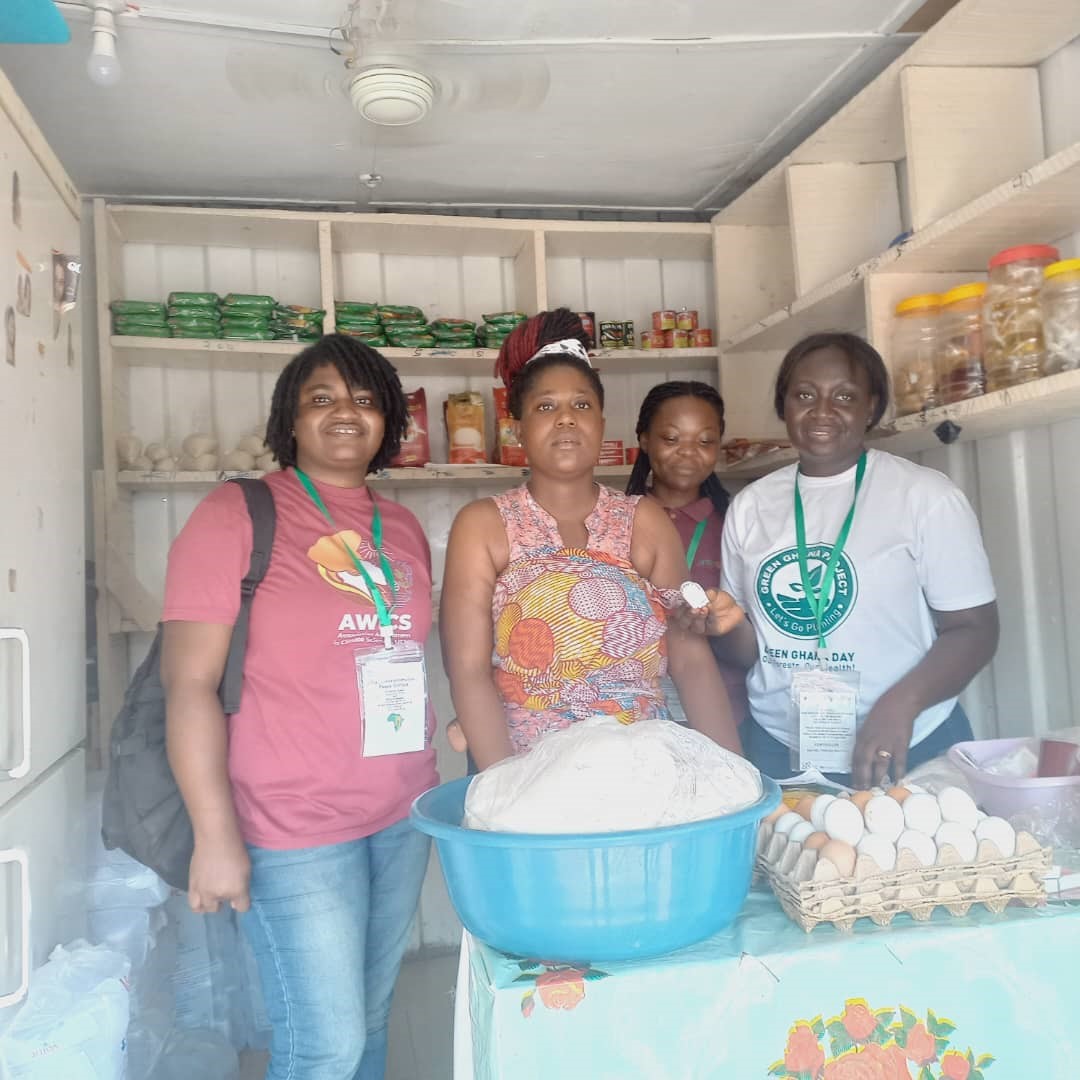
Before field deployment, the team conducted simulation exercises to refine their techniques. The i-button sensors, designed to track personal heat exposure, were tested in 27 small business centres and households.
This step was crucial in ensuring the effectiveness of data collection efforts, which will provide a clearer picture of how women in different neighbourhoods experience heat stress in their daily lives.
Striving for an Equitable and Sustainable Future
Through its rigorous research and community-centred approach, the PALM-TREEs Project is committed to addressing the gendered impacts of climate change in Accra. By documenting the ways in which heat stress affects women’s health, livelihoods, and social well-being, the project aims to influence policies and interventions that support climate adaptation.
Its mission aligns closely with the United Nations Sustainable Development Goals (SDGs)—particularly Goal 3 (Good Health and Well-being), Goal 5 (Gender Equality), and Goal 13 (Climate Action).
Ultimately, the project seeks to amplify the voices of women, ensuring that their needs and experiences shape climate-resilient solutions. By recognising that climate change magnifies existing inequalities, especially for women engaged in water collection, farming, and small-scale trading, the initiative highlights the urgent need for gender-sensitive climate policies.
As the global climate crisis deepens, projects like PALM-TREEs serve as critical lifelines, equipping women with the knowledge and tools to navigate an increasingly hostile environment. By empowering women to adapt, the initiative contributes to a future where they can continue to thrive—despite the growing challenges posed by a warming world.
The writer is an environmental journalist
E-mail: prissyof@yahoo.com