

By Collins Odigie Ojiehanor and Patrick Omoake
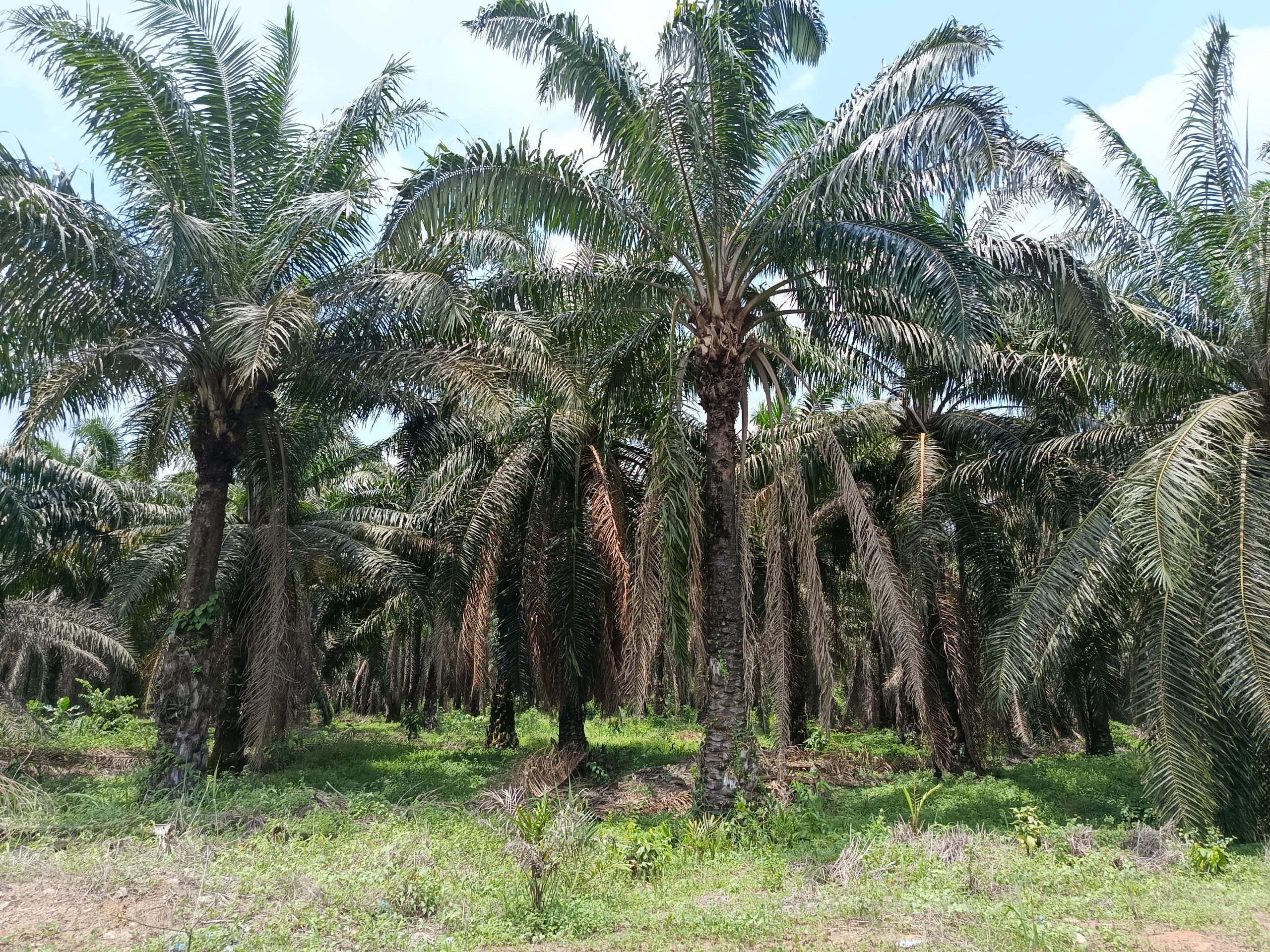
For centuries, palm trees have stood tall across the African continent, not only as symbols of tropical beauty but also as lifelines woven into the very fabric of rural and urban livelihoods. From the sun-drenched coasts of West Africa to the fertile deltas and forested hinterlands, palm trees serve as a crucial source of food, shelter, income, and cultural identity. But today, these iconic trees are under increasing threat, and experts warn that unless urgent measures are taken, Africa could lose one of its most precious ecological and economic assets.
Palm trees in Africa are far more than just flora. They are the continent’s unsung heroes, quietly sustaining life in various forms. The oil palm (Elaeis guineensis), in particular, is a powerhouse; its fruits are processed into red palm oil used for cooking and skincare, while its sap is tapped and fermented into palm wine, a cultural staple in ceremonies and daily life alike.
Their leaves are woven into mats, baskets, and roofing materials, while the tree trunks are sometimes used for timber or fuel in areas with limited resources. In many African communities, the palm tree is like a supermarket. Every part of the tree serves a purpose, making it indispensable to local economies and lifestyles.”
Yet, this tree of abundance is increasingly being lost to indiscriminate logging. As demand grows for wood and other forest products, palm trees are being cut down at alarming rates, often with little to no plan for regeneration. In regions of Nigeria, Ghana, Cameroon, and the Congo Basin, entire stretches of palm-rich landscapes are being cleared by loggers, many of them local, who are seeking immediate economic returns at the expense of long-term sustainability.
The consequences are profound. The loss of palm trees contributes to soil erosion, disrupts local water cycles, reduces biodiversity, and destabilizes the economic foundations of many communities. When a palm tree is cut, it’s not just the tree that’s lost; it’s the food, the income, and the cultural heritage of a people.
Communities Caught in the Middle
For Ekata Emmanuel, a smallholder farmer from Edo State in south-south Nigeria, palm trees are more than just part of the landscape; they are a vital source of livelihood and cultural identity. “Palm trees are very important to us,” Ekata stated, seated under the shade of one of the tall palms on his farm in Egba Community, in the Uhumwonde Local Government Area of Edo State.
“We’ve lived with them all our lives. From the fruits, we get palm oil, which my wife sells in the market. The leaves we use for roofing and making brooms. Even the sap is used for palm wine. It’s not just a tree; it feeds us, gives us work, and is part of our tradition.”
For rural communities like Ekata’s, palm trees play a quiet but powerful role in economic resilience and daily survival. “Yes, definitely,” he says when asked if the trees help in local development. “When you have palm trees, you can always make something out of them, like oil, palm wine, or even baskets. We sell these things to earn money, especially when it’s not farming season yet,” he added.
Despite modernization, many traditional uses of palm trees remain intact. “Nothing has really changed,” Ekata explains. “We still tap palm wine like our fathers did. Women weave mats from the leaves. During festivals, we use palm fronds for decorations. We even use parts of the tree for medicine and cooking.”
But there is a growing concern among local farmers like Ekata about the increasing rate of tree loss. “That’s the problem now,” he says. “Some people cut down the young trees to sell the wood, and we’re losing many of them. To grow another big tree takes many years, more than ten years. If we don’t take care, our children might not find any left.”
Cultural Heritage at Risk
Along the busy Benin-Ore express road, Mama Titi (as she is popularly called), a palm wine seller in her late fifties, engaged in her daily routine. Large calabashes sit on a wooden bench beside her, filled with freshly tapped palm wine, ready for customers who are mainly travellers and people from nearby villages.
“I’ve been selling palm wine for over twenty years,” she says, tying her wrapper tightly as she sits on a low stool under the shade of a tree by the roadside. “It’s what I use to feed my children and pay school fees. Without palm trees, I wouldn’t have any business.”
Palm wine, known by different names among various ethnic groups in Nigeria – “Oguro” or “Emu” among the Yorubas, “Mmanya Ocha” among the Igbos, “Gya” among the Hausas, “Oto-Onyong” in the Anang community, and “Ukot Mmong” in Akwa Ibom State – is more than just a drink; it’s cultural, social, and deeply symbolic. Beyond its role as a beverage, palm wine symbolizes hospitality, unity, and heritage across many African communities. “This wine brings people together,” Mama Titi explains. “They drink it during weddings, funerals, meetings, and even when asking for a bride’s hand in marriage. It’s part of who we are.”
She points to a young boy walking past with a keg. “That’s one of my tappers,” she says. “He climbs the palm trees early in the morning to collect the sap. But these days, it’s getting harder. Many of the trees have been cut down.”
When asked about the impact of losing more palm trees, her tone turns serious. “If we keep cutting them down like this, we will lose something we can’t replace. You don’t grow a palm tree and tap wine tomorrow. It takes years. If the young ones don’t see these trees again, how will they learn to tap or continue the tradition?”
She believes education and local involvement are key to conservation. “Government and NGOs should help us plant more and protect the ones we have left. Even we sellers are ready to help if they show us how. We can’t let this business and culture die.”
For Mama Titi, every drop of palm wine is not just income; it’s identity. And for communities like hers, palm trees are not only economic resources but also cultural pillars that must be protected.
The Marketplace Pulse
Like in every local marketplace in Nigeria and in Africa, the sharp scent of freshly pressed palm oil fills the air at Oregbeni market, in the Ikpoba-Okha local government area, Edo state, as buyers crowd around bright red bottles and kegs arranged neatly on a wooden bench. Among the traders is Mrs. Rose Iziegbe, a seasoned palm oil seller who has been in the business for many years.
“I started this business with just one jerrycan of oil,” she says proudly, scooping oil into a customer’s container. “Now, I supply palm oil to shops, households, and even traders from Oba market and New Benin market. It has helped me train my children and build a life.”
For Mrs. Rose, palm trees are not just part of nature; they are part of her financial independence. “We buy from women who process the oil in the villages,” she explains. “They boil and press the fruits, and we transport it here to sell. If there are no palm trees, all of us will suffer.”
She pauses briefly and adds with concern, “Lately, it’s getting harder to get good oil because people are cutting down too many trees. The fruits are not as many as before. Some areas where we used to buy from are now full of houses and roads.”
On the cultural relevance of palm oil, Mrs. Rose is quick to respond: “Every home in Nigeria uses palm oil. For soup, stew, rice and everything. During traditional ceremonies like marriage and naming, it’s also used. Palm oil is part of our way of life.”
Asked if she thinks the trade can survive without proper conservation efforts, her answer is clear: “No. If we don’t protect the palm trees, the business will collapse. We need more awareness in the communities and support to plant new ones. Even we traders can join in, if they involve us.”
For Mrs. Rose, she reminds us that behind every bottle of palm oil on the shelf, there is a long, traditional supply chain rooted in Africa’s palm trees, trees that now need protection more than ever.
Pathways to Preservation
According to experts and research, preserving Africa’s palm trees requires a multi-pronged approach, one that balances environmental needs with human development goals.
- Sustainable Forestry Practices:
Governments and stakeholders must prioritize responsible logging, emphasizing practices such as selective cutting, reforestation, and controlled harvesting cycles. These methods allow for the continued use of palm products without depleting natural resources.
- Community Education and Engagement:
Local people must be part of the solution. Awareness campaigns, school programs, and community-led initiatives can help instil the value of preservation. Traditional leaders and influencers can play key roles in changing behaviours and promoting alternatives.
- Economic Alternatives:
Diversifying the income base of rural communities is crucial. Initiatives like ecotourism, sustainable agriculture, beekeeping, and artisan craftwork can provide livelihoods that reduce reliance on logging. Women’s cooperatives, for example, have successfully turned palm kernel waste into profitable skincare products in parts of Ghana and Nigeria.
- Protected Areas and Legislation:
Establishing nature reserves and enforcing anti-logging laws in sensitive regions will create safe zones where palm trees can thrive. National parks and forest reserves not only protect trees but also offer spaces for biodiversity conservation, environmental research, and tourism.
The future of palm trees in Africa is hanging in the balance. While the challenges are significant, so too are the opportunities for change. The preservation of these trees is not merely an environmental issue; it is a human development imperative.
As climate change accelerates and natural resources face growing pressure, the need to protect and sustainably manage Africa’s palm trees has never been greater. With visionary policies, community support, and a commitment to sustainability, the continent can turn the tide and ensure that the palm tree remains not just a relic of the past but a living pillar of Africa’s future.