

By Collins Odigie Ojiehanor
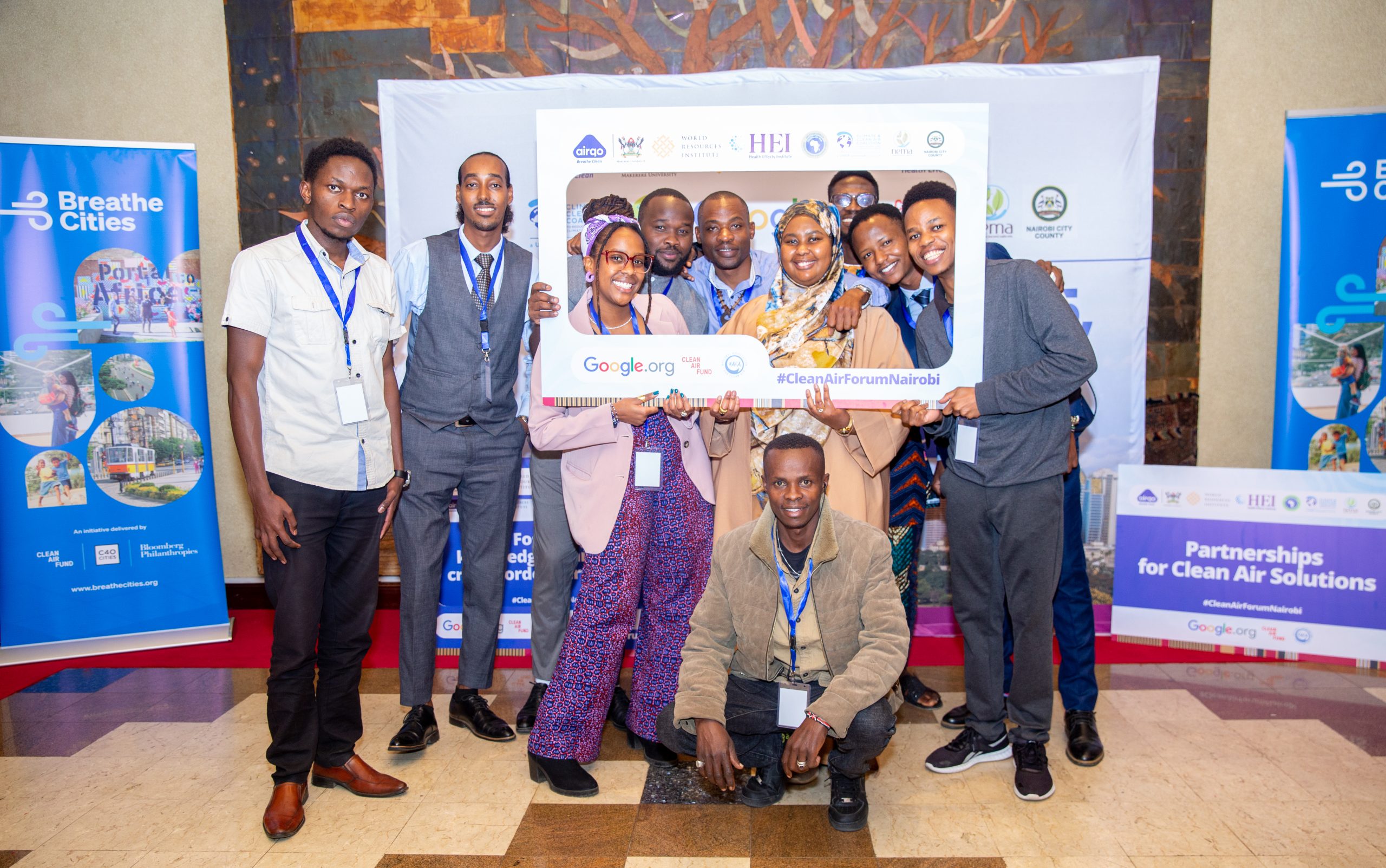
Nairobi, Kenya—With a robust dialogue spanning data governance, public health, innovation, and community engagement, the CLEAN-Air Forum 2025 in Nairobi on Wednesday, July 16, 2025, concluded with renewed urgency and a unifying message that clean air solutions in Africa must be inclusive, data-driven, and grounded in science that works for everyone, highlighting the importance of translating knowledge into action, with participants across disciplines and countries reinforcing a shared goal: to accelerate Africa’s journey toward sustainable air quality management.
From ethical data use and health impact assessments to the transformative role of artificial intelligence and low-cost monitoring sensors, the day’s conversations brought to light the challenges and opportunities facing African cities. Central to all discussions was the call to democratise data and empower the communities most affected by pollution.
Inclusive Governance at the Heart of Clean Air Strategy
In his keynote address, Ibrahim Nyangoya Auma, County Executive Committee Member for Mobility and Works in Nairobi County, delivered a compelling message about the role of transparency and inclusive governance in shaping effective air quality strategies.
“The truth is no government, national or county, can manage what it cannot measure,” he said. “Air pollution is a serious public health challenge, and we need robust, transparent data to act,” he added.
His remarks challenged delegates to not only monitor air pollution but to build systems that clean it sustainably and justly through cooperation and equitable access to data and solutions.

Bridging Local Realities and Global Frameworks
At the reflective stocktaking session, facilitated by the Forum for International Cooperation on Air Pollution (FICAP), participants were encouraged to assess the progress and gaps in regional air quality cooperation.
It served as a bridge between African realities and global air conventions, such as the UNECE Air Convention, and set the stage for long-term collaboration.
Key questions that shaped the dialogue are, where are the knowledge gaps? What partnerships do we still need? What must happen next? The session reaffirmed that building lasting alliances across sectors and borders is key to turning ambition into action.
Data as a Tool for Empowerment and Policy
One of the most anticipated sessions focused on ethical data governance, bringing together leading academic and research institutions, including Makerere University, the University of Ghana, the University of Chicago, the National Association for Clean Air, South Africa, and the GEOHealth Hub at the University of Nairobi.
The conversation centered around a fundamental but often overlooked question: Who benefits from air quality data, and who is left out?
Speakers emphasised the urgent need to democratise data, ensuring open access to air quality information and building inclusive systems that serve scientists, policymakers, and frontline communities alike. A key takeaway was that data transparency fuels accountability and stronger policy.
Health Impacts: A Silent Pandemic
The session on Air Pollution and Health in Africa laid bare the public health cost of toxic air, especially in vulnerable communities already burdened by environmental and economic disadvantages.
Expert presentations and case studies explored how air pollution exposure data can shape equitable health responses and improve resource allocation in overstretched systems.
The panellists highlighted that “air pollution is a silent pandemic, but it doesn’t have to be. We know who’s most at risk. Now we need to act on that knowledge.”
Citizens at the Centre of Change
In a vibrant session on Awareness and Citizen Engagement, community-driven efforts across Africa were showcased, demonstrating how citizens are actively participating in clean air solutions.
From local air monitoring to policy advocacy, the session highlighted that equipping communities with tools and knowledge turns passive awareness into powerful action, affirming that real change happens when people move from awareness to action, capturing the session’s core message.

Building Africa’s Data Ecosystem with Emerging Technologies
Sessions on low-cost sensors, remote sensing, and AI revealed how African and international institutions are building new air quality data ecosystems.
The use of satellite data, chemical analysis, and modelling was discussed as a means to detect pollution hotspots and translate data into decisions.
“Africa’s clean air future won’t be imported; it will be built with our data, our people, and our priorities,” said a participant.
Waste Management and Air Pollution
Another critical session addressed poorly managed waste systems as a key but often overlooked contributor to air pollution in Africa.
Discussions focused on the need for integrated waste and air quality strategies, including community-led waste sorting, stricter enforcement, and sectoral reform to protect communities living near unmanaged sites.
Measurement in Low- and Middle-Income Countries
Led by the World Bank, this session tackled a core challenge: How can cities in resource-constrained settings act on pollution without adequate data?
Innovative approaches were presented to support affordable, accessible air quality monitoring, including scalable technologies and public-private partnerships tailored to the realities of low- and middle-income countries.
In a focused regional discussion, the Health Effects Institute spotlighted the unique health burdens faced by East African populations due to air pollution. Emphasising the need for epidemiological tracking and stronger support for local research institutions, the session called for greater inter-country collaboration to generate solutions rooted in regional data and realities.
Women in Air Quality: Leadership, Networks, and Solidarity
The day closed with a Women in Air Quality informal gathering, a space for women across disciplines to connect, share experiences, and build new partnerships.
The session affirmed the vital role of inclusive leadership in shaping Africa’s clean air future and emphasised the need for diverse perspectives in both science and policymaking.
Looking Forward
As the CLEAN-Air Forum enters its final day, the vision is becoming clearer: a continental movement grounded in science, collaboration, community action, and justice. Delegates leave day two with a deeper understanding that clean air is not only a right but also a responsibility shared by all sectors of society. The solutions exist. The momentum is real. What remains is bold, sustained action rooted in equity, transparency, and innovation.