

By Patrick Omoake
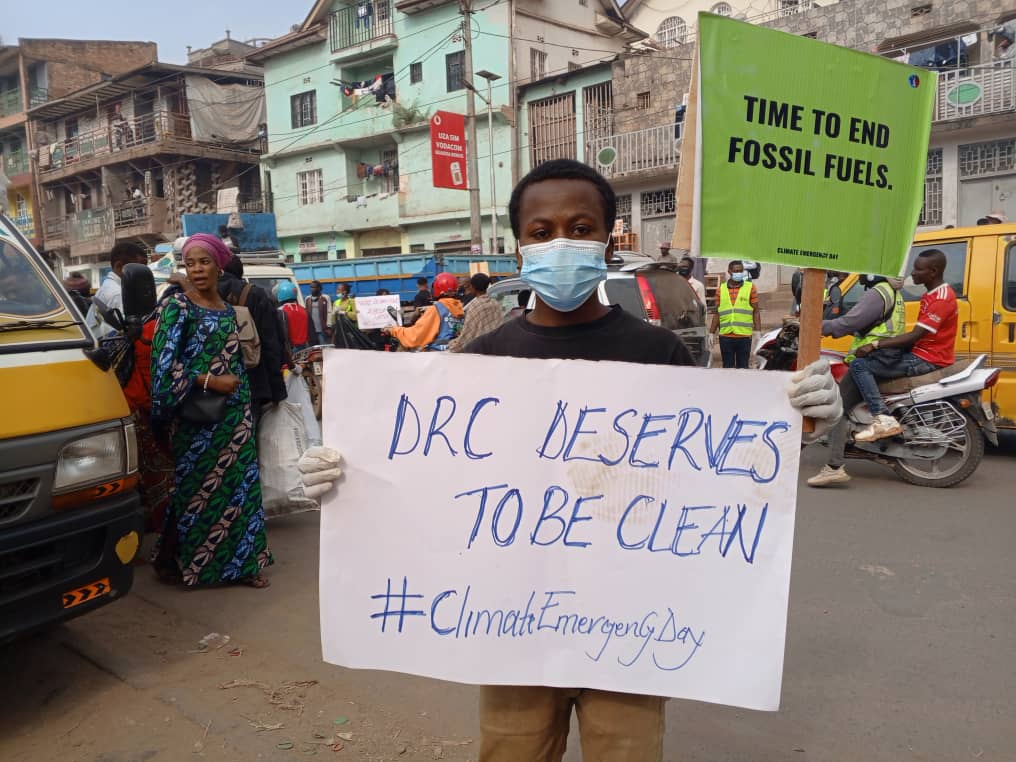
The Democratic Republic of Congo is a country plagued by conflict, environmental degradation, and human rights abuses. But amidst the chaos, there are courageous individuals like Daniel Kalalizi, a climate and social activist from the eastern part of the DRC. Daniel’s firsthand account of life in conflict-ridden cities like Goma and Bukavu offers a glimpse into the harrowing reality faced by Congolese citizens and activists.
His story is one of resilience, determination, and the urgent need for international intervention to address the growing threats against activists, the worsening security situation, and the devastating humanitarian crisis unfolding in the region.
Question 1: Can you describe the current environmental and climate landscape in the DRC?
The current environmental and climate landscape in the DRC is characterized by several issues such as: Deforestation: Our country, the DRC, is home to a significant portion of the Congo Basin rainforest, the second-largest rainforest in the world after the Amazon in Brazil. Logging, mining, and agricultural expansion lead to extensive deforestation, impacting biodiversity and carbon storage.
Biodiversity Loss: Our country, the DRC, is rich in biodiversity, but habitat destruction, poaching, and illegal wildlife trade threaten numerous species, including endangered ones like the mountain gorilla.
Climate Change Effects: The DRC faces the impacts of climate change, including rising temperatures, changes in rainfall patterns, and more frequent extreme weather events. These changes affect agriculture, water resources, and food security.
Water Pollution: Industrial activities, including mining, contribute to water pollution, affecting local communities and ecosystems. It is important to note that access to clean water remains a major challenge, as some raw materials are radioactive and can contaminate water, harming the population.
Soil Degradation: Unsustainable agricultural practices lead to soil erosion and degradation, reducing land productivity and threatening food security.
Community Vulnerability: Many communities, especially in rural areas, rely on natural resources for their livelihoods. Environmental degradation and climate change exacerbate their vulnerability, leading to conflicts over resources.
Question 2: How are climate change and environmental segregation affecting local communities in the DRC?
Climate change and environmental degradation have a profound impact on local communities in our country, the Democratic Republic of the Congo, posing significant challenges to our livelihoods, health, and social stability. One of the most critical issues is food insecurity. As temperatures rise and precipitation patterns become increasingly erratic, agricultural productivity suffers.
Many communities in the DRC rely heavily on subsistence farming, and diminished yields can lead to severe food shortages. This situation exacerbates malnutrition, particularly among vulnerable groups such as children and the elderly, compromising their health and well-being.
Apart from food insecurity, water scarcity is emerging as a pressing concern. Changes in rainfall patterns, combined with pollution from industrial activities, significantly reduce the availability of clean water. This not only exacerbates existing health issues but also limits daily activities, as communities depend on reliable water sources for drinking, sanitation, and agriculture. The lack of access to clean water can lead to the spread of waterborne diseases, further straining local healthcare systems.
The loss of livelihoods is another critical consequence of environmental degradation. As natural resources, such as fish and wildlife, become scarcer due to overexploitation and habitat destruction, communities that depend on these resources for their survival face severe economic hardships.
Health risks associated with climate change are also significant. Higher temperatures and altered ecosystems can facilitate the spread of diseases, as they affect the habitats of vectors like mosquitoes, which transmit illnesses such as malaria.
Question 3: In your view what is the major cause of Crisis in the DRC?
In my opinion, the main cause of the crisis in the Democratic Republic of the Congo lies in the complex combination of overlapping historical, political, economic, and social factors. First of all, the colonial legacy has left deep scars, with the exploitation of natural resources occurring without sustainable development of infrastructure or institutions. After independence, the country experienced authoritarian regimes and internal conflicts that exacerbated inequalities and corruption.
The struggle for control over resources, particularly valuable minerals like coltan, gold, and diamonds, has also fueled armed conflicts, often supported by foreign interests. These wars have led to massive population displacements, systematic violence, and a deterioration of living conditions. The weakness of the state, coupled with endemic corruption, has made it difficult to establish essential public services such as education, health care, and infrastructure, leaving many communities in extreme poverty.
Furthermore, climate change is playing an increasingly significant role in this crisis, affecting agriculture and causing food shortages, which exacerbates social tensions. Conflicts over natural resources, including water and arable land, are becoming more frequent in a context of environmental degradation. The marginalization of ethnic groups and the weakness of democratic systems have also contributed to instability, making dialogue and reconciliation difficult.
Question 4: There have been reports of climate activists being hunted down and killed. Can you confirm these reports and provide context?
It is unfortunately true that there have been reports of climate activists being targeted and sometimes killed because of their commitment to environmental protection. I myself narrowly escaped kidnapping by unidentified armed men due to my activism here in Bukavu. It is distressing.
This phenomenon is particularly concerning in certain regions of the world where the defense of environmental rights is seen as a threat to powerful economic interests, such as logging, mining, or industrial agriculture. These activists, often from local communities (like me and my Ugandan brother Nyombi Morris), oppose projects that jeopardize their lands and resources, and they frequently face violence and intimidation.
The context of this violence is often linked to the struggle for the preservation of ecosystems, and the countries where these attacks are most frequent are often those where governments do not effectively protect environmental defenders, as is the case here in the Democratic Republic of Congo. Sometimes, they even collaborate with companies to silence those who protest or shed light on environmental abuses.
Activists often face direct threats, physical violence, and even smear campaigns aimed at discrediting their work. The international community is beginning to recognize the importance of protecting these defenders, as their work is crucial not only for combating climate change but also for preserving biodiversity and human rights.
Question 5: What do you believe are the motivations behind these attacks, and who is responsible?
The motivations behind these attacks on climate activists are multiple and complex. It is important to understand that environmental advocacy often challenges powerful economic interests, such as those related to the exploitation of natural resources.
Companies engaged in activities like logging, mining, or industrial agriculture often view activists as a threat to their profits. These activists defend lands and ecosystems that are sources of income for these industries, which can lead to violent conflicts of interest. In the Democratic Republic of Congo, corruption and collusion between governments and companies exacerbate the situation.
Question 6: How have these attacks affected your work as an activist in the DRC?
The attacks I face as an activist in the Democratic Republic of Congo, particularly events like the kidnapping I escaped in Bukavu in December 2024, have profoundly disrupted our work. This traumatic experience goes beyond the immediate fear of violence; it also has lasting repercussions on my/our commitment and my/our ability to act.
After such an incident, distrust sets in, not only towards law enforcement, which does not always guarantee the safety of activists, but also towards those around us. This climate of fear can lead us to reconsider my/our methods of working, to avoid certain areas, or even to slow down my/our campaigns. The tensions created by these attacks force me/us to exercise increased caution in my/our communications and travels, thereby limiting my/our effectiveness and visibility as activists.
Moreover, these events can create a sense of isolation within our activist community. We sometimes feel alone in our struggle, as the risks involved may deter others from joining us or supporting our cause. However, this does not block us; we continue our work with all our remaining energy.
Question 7: How have these attacks impacted freedom of speech in the DRC?
The attacks faced by activists in the Democratic Republic of Congo have significant repercussions on freedom of speech in the country. Firstly, the fear generated by violence and threats heavily weighs on individuals’ ability to express themselves freely.
When activists are kidnapped, intimidated, or assaulted, it creates a climate of terror that dissuades many from engaging in public discussions or sharing their opinions, even those that are legitimate and important. This self-censorship becomes a survival mechanism for many, who choose to remain silent rather than risk their personal safety.
Moreover, the media, which plays a crucial role in disseminating information and promoting freedom of speech, is also affected by this situation. Journalists may hesitate to cover sensitive topics or to denounce abuses of power for fear of reprisals, which limits the plurality of voices and perspectives in the media landscape. The repression of independent media and the closure of certain platforms amplify this crisis of freedom of speech, making it more difficult for citizens to access varied and objective information.
Question 8: Are there any laws or policies in place that protect environmental activists or are there laws that restrict their work?
In the Democratic Republic of Congo, the protection of environmental activists is a complex issue, marked by a legislative framework that includes both favorable provisions and significant restrictions. The country has laws that theoretically guarantee the right to freedom of expression and association, which should allow activists to work without fear of repression. For example, the Constitution of the DRC affirms the right to freedom of opinion and assembly, thus providing a legal basis for environmental defense actions.
The DRC is a signatory to several international conventions on environmental protection, which could strengthen the protective framework for activists working to safeguard natural resources. Unfortunately, in practice, these laws are often circumvented or ignored. Environmental activists face numerous challenges, including threats, intimidation, and even physical violence.
Question 9: Have you or your colleagues faced any threats or intimidation as a result of your climate activism?
As a climate activist in the Democratic Republic of the Congo, it is hard to ignore the climate of insecurity that surrounds our commitment. We have often faced threats and acts of intimidation, and a tragic event remains etched in my memory: I escaped a kidnapping on December 24, 2024, in Bukavu.
This incident not only put my life in danger but also highlighted the risks we face daily in our struggle for climate justice. When we conduct our activities in Bukavu, it is not uncommon for us to feel pressure from the authorities, who often seem to defend selfish interests rather than support environmental initiatives.
These intimidations can take various forms, ranging from direct threats to attempts to dissuade us from our awareness-raising actions. Despite this, we remain determined to continue our mission, knowing that our work is essential for the protection of our planet and our natural resources.
Activism in the DRC requires total dedication, often at the cost of personal sacrifices, and it is crucial to avoid the corruption that plagues our political system. We must continue to fight for a sustainable future while supporting each other in the face of the dangers that threaten our commitment.
Question 10: Can you describe the current mood in the DRC now that the M23 rebels have taken control? How are citizens coping with the new reality?
The situation in the Democratic Republic of Congo (DRC) is currently marked by deep concern and palpable resilience among the population. The advance of the M23 rebels has created an atmosphere of fear and uncertainty, particularly in the conflict-affected regions. Citizens live in anxiety over violence, forced displacement, and the resulting instability.
The control exerted by the M23 has consequences not only for security but also for the daily lives of Congolese people. Many families have been forced to flee their homes, leaving behind their belongings and their sense of security. In the affected areas, schools often close, and healthcare services are severely disrupted, perpetuating a cycle of vulnerability.
However, despite this difficult context, there is extraordinary resilience within communities. Citizens are mobilizing to support one another, forming mutual aid groups that attempt to provide assistance to displaced individuals and the most vulnerable. Local initiatives are emerging, where civil society organizations and activists work tirelessly to raise awareness and advocate for peace.
Congolese people demonstrate a determination to preserve their rights and express their concerns about the current situation. Peaceful protests have also taken place, reflecting a desire for change and a willingness to demand a better future. It is important to note that these rebels have already shed blood throughout the DRC, especially in the eastern region where I live.
Question 11: The M23 rebels have received backing from Rwanda. What is your take on Rwanda’s involvement in the conflict and how do you think it is impacting the situation on the ground?
As a Congolese activist, I view Rwanda’s involvement in the M23 rebel conflict as an unacceptable interference that significantly exacerbates the situation in the Democratic Republic of Congo. The support provided by Rwanda to this armed group only intensifies the existing tensions in the eastern part of the country, where populations have suffered the consequences of violent conflicts for decades.
This interference is often motivated by strategic and economic interests, demonstrating a blatant disregard for Congolese sovereignty. On the ground, this situation translates into an escalation of violence, human rights violations, and a deterioration of living conditions for civilians. The fighting between M23 forces and the Congolese army leads to massive displacements of populations, leaving thousands of people in precarious conditions, without adequate access to healthcare, education, or food security.
Furthermore, the presence of the M23, supported by Rwanda, disrupts the social and economic dynamics of local communities. Families are separated, children are denied education, and infrastructure is damaged or destroyed. Distrust towards local authorities and security forces increases, as many Congolese feel abandoned—particularly in our eastern region—and betrayed by their own government, which seems unable to protect its citizens from these external aggressions. This situation creates a fertile ground for other armed groups, fueling a never-ending cycle of violence.
Question 12: We have seen reports of Congolese police and soldiers defecting to the M23 rebels. What do you think is driving this trend, and what does it say about the state of the Congolese military?
The growing trend of Congolese police and soldiers defecting to the M23 rebels is indicative of several deeply rooted issues within the Congolese army. First, it is important to understand that this situation does not arise in a vacuum, but is the result of a combination of factors, including poverty, corruption, lack of motivation, and poor management of human resources within the armed forces.
Many security personnel find themselves in precarious living conditions, often poorly paid and lacking adequate equipment to fulfill their mission. This dissatisfaction may lead them to seek opportunities elsewhere, even if it means joining the ranks of the rebels.
Moreover, there is a crisis of trust between the military and their commanders, exacerbated by feelings of betrayal and abandonment. Soldiers, who are supposed to protect the population, often find themselves in situations where they are poorly supported and exposed without sufficient protection against better-equipped and more organized armed groups. This can create feelings of helplessness and despair, prompting some to desert and join factions that seem to offer better chances for survival and improvement of their personal situation.
This dynamic is also fueled by broader political issues. The militarization of politics in the DRC, with internal rivalries and power struggles, has often led to manipulation and abuses within the armed forces. Soldiers may be viewed as pawns in a political game where their lives are endangered for interests that do not benefit them. Consequently, defection to the rebels can be interpreted as an act of desperation but also as a form of resistance against a system that fails to guarantee their security and dignity.
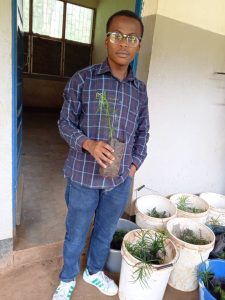
Question 13: As an activist, you have likely been advocating for peace and stability in the region. What steps do you think need to be taken to achieve a lasting resolution to the conflict?
To achieve a lasting resolution to the conflict in the region, several essential steps must be considered. First, it is crucial to encourage an inclusive dialogue that brings together all stakeholders, including armed groups, local communities, and government representatives. This dialogue should aim to address the root causes of the conflict, such as socio-economic inequalities, access to resources, and the marginalization of certain populations. By involving diverse voices, particularly those of women and youth, we can ensure that the proposed solutions meet the needs and aspirations of all.
Next, it is imperative to strengthen democratic institutions and promote good governance. This involves establishing transparent mechanisms to combat corruption and mismanagement of resources, which are often drivers of conflict. Training and capacity building for local actors, including community leaders and local authorities, are also essential to ensure effective management of the issues at the core of the conflict.
In parallel, efforts must be made to promote reconciliation and transitional justice. This includes the establishment of truth and reconciliation commissions that allow for the examination of past human rights violations and foster a healing process within affected communities. It is essential that victims are recognized and their rights restored, which will help rebuild trust and prevent future cycles of violence.
The necessity for coordinated international support should not be overlooked either. The international community must play an active role in facilitating dialogue and supporting peace initiatives by providing financial and technical resources for reconstruction and development. Diplomatic pressure should also be exerted on actors who fuel the conflict, particularly through arms embargoes and targeted sanctions.
Question 14: How are ordinary Congolese citizens, particularly women and children being affected by the ongoing violence? What kind of support do they need and how can the international community provide it?
Ordinary Congolese citizens, particularly women and children, are suffering devastating consequences due to the ongoing violence in the Democratic Republic of the Congo. This violence manifests in various forms, including armed conflicts, sexual violence, forced displacements, and human rights violations. For women, the consequences are particularly severe, as they are often victims of sexual violence used as a weapon of war, leaving lasting physical and psychological scars.
Children, on the other hand, not only suffer from the loss of their childhood but are also often forcibly recruited into armed groups, depriving them of their education and safety. Moreover, access to healthcare, food, and safe shelter is becoming increasingly difficult, exacerbating an already critical humanitarian situation.
To address these urgent needs, it is imperative that Congolese citizens, especially women and children, receive adequate humanitarian and psychosocial support. This includes healthcare services, particularly care tailored to survivors of sexual violence, as well as psychological support programs to help overcome trauma.
Educational initiatives must be strengthened to enable children, particularly girls, to return to school and benefit from a safe and conducive learning environment. Access to economic resources, such as vocational training for women, is also essential to promote their autonomy and reintegration into society.
The international community has a crucial role to play in this support. It must not only provide immediate humanitarian assistance but also engage in long-term programs that strengthen local capacities. This could include funding non-governmental organizations that work directly with communities to offer essential services.
Additionally, the international community must advocate for the protection of women’s and children’s rights in all discussions on peace and security, integrating their voices and needs into decision-making processes.
Finally, establishing monitoring mechanisms to ensure that aid reaches those who truly need it is crucial for guaranteeing the effectiveness of international interventions. By fostering an environment of respect for human rights and supporting local initiatives, the international community can contribute to alleviating the suffering of those affected.
Question 15: Looking ahead, what is your biggest concern about the potential consequences of the M23 and ADF rebels takeover of Congo? How can we work to prevent further destabilization in the region?
My biggest concern regarding the potential consequences of the takeover by the M23 and ADF rebels in the Democratic Republic of the Congo lies in the increased destabilization of the region, which could lead to an escalation of conflicts, massive human rights violations, and an unprecedented humanitarian crisis. The rise of these armed groups, often fueled by external political and economic interests, threatens to undermine ongoing peace efforts and plunge the country into an even deeper cycle of violence.
Furthermore, this could lead to waves of refugees fleeing the fighting, exacerbating pressure on neighboring countries and increasing regional tensions. Local communities, already vulnerable, may see their security and access to essential resources severely compromised, potentially fueling further resentment and radicalization.
To prevent such destabilization, it is essential to adopt a multi-faceted approach that combines diplomacy, humanitarian support, and the strengthening of local capacities. First, the international community must act swiftly to facilitate inclusive dialogue between the Congolese government, armed groups, and local stakeholders to achieve a ceasefire and peace negotiations.
It is crucial that the voices of affected populations, particularly women and youth, are integrated into this process to ensure that their concerns and needs are heard and addressed. Additionally, strengthening the capacities of Congolese security forces while respecting human rights is a priority. This should include adequate training on conflict management and civilian protection.
At the same time, it is imperative to support economic and social development initiatives in conflict-affected regions. This could involve improving infrastructure, access to education, and creating job opportunities, all of which are essential to reduce the motivations that drive youth toward extremism and armed groups.
Moreover, rigorous monitoring and evaluation of the DRC’s natural resources must be established to prevent them from becoming sources of conflict, ensuring transparent and equitable management that benefits all layers of society.
Question 16: The international community has been criticized for not doing enough to support the DRC. What role do you think external actors should play In helping to resolve the crisis, and what specific actions would you like to see them take?
The international community indeed has a crucial role to play in resolving the crisis in the DR Congo, and it is imperative that it engages in a more meaningful and coordinated manner. First, external actors must act as true facilitators of dialogue among the various stakeholders, including the Congolese government, armed groups, and civil society.
This requires the establishment of neutral and accessible discussion forums that allow all voices to be heard and contribute to an inclusive peace process. Preventive diplomacy must be strengthened to avoid the escalation of conflicts and to support local peace initiatives.
Another essential aspect is the support for the institutional capacities of the DRC. International actors, including the United Nations and the African Union, should provide technical and financial assistance to strengthen democratic institutions, improve governance, and combat corruption.
This includes training officials and security personnel, as well as supporting free and fair elections to restore public trust in the institutions. Additionally, it is important for the international community to ensure that the natural resources of the DRC are managed transparently and equitably, preventing them from becoming a source of conflict.
The crisis in the Democratic Republic of Congo is a stark reminder of the human cost of inaction. As activists like Daniel Kalalizi continue to risk their lives to expose the truth and advocate for justice, the international community must respond with urgency and collective resolve. The plea for protection, asylum, and sanctions against aggressors is not just a moral imperative, but a necessary step to prevent further destabilization of the region.
As we stand at this critical juncture, it’s clear that the world cannot afford to turn a blind eye to the plight of the Congolese people. The time for decisive action is now – to provide refuge for endangered activists, impose stringent sanctions on aggressors, and support humanitarian efforts to alleviate the suffering of innocent civilians.
The fate of the Democratic Republic of Congo hangs in the balance, and the international community must rise to the challenge. We owe it to the brave activists, the resilient communities, and the future generations to act with courage, compassion, and conviction. The world must come together to demand justice, peace, and stability for the Democratic Republic of Congo – before it’s too late.
Good news Mr patrick
La République Démocratique du Congo (RDC) est confrontée à des défis environnementaux majeurs en raison de la crise climatique et de la dégradation de l’environnement. Ces phénomènes ont des répercussions directes sur les moyens de subsistance des populations locales, qui dépendent largement des ressources naturelles pour leur survie.
La déforestation, souvent causée par l’exploitation illégale du bois, l’agriculture intensive et l’extraction minière, entraîne la perte de biodiversité et perturbe les écosystèmes. Cela affecte non seulement la faune et la flore, mais aussi les communautés qui vivent en harmonie avec ces écosystèmes. Les changements climatiques, tels que les variations de température et les modifications des régimes de précipitations, exacerbent ces problèmes en rendant l’agriculture moins prévisible et plus vulnérable aux sécheresses et aux inondations.
Les populations rurales, qui représentent une grande partie de la population congolaise, se retrouvent souvent dans une situation précaire, avec des difficultés à accéder à l’eau potable, à la nourriture et à des ressources essentielles. La crise climatique menace donc non seulement l’environnement, mais aussi la sécurité alimentaire et le développement économique du pays.
Je suis une personne intéressée ce qui concerne le climat en général, c’est pourquoi je compte postuler à cet offre pour acquérir encore de compétences des informations, et être en mesure de contribuer dans le domaine climatique