

By Patrick Omoake
The Democratic Republic of Congo (DRC), long known for its vast natural wealth, now finds itself at the crossroads of progress and peril. While its untapped oil reserves hold enormous potential for economic development, the environmental, social, and human rights implications of their exploitation are triggering growing concern among climate activists and affected communities.
In a recent discussion, two prominent climate activists from the DRC shed light on the alarming consequences of oil exploration across the country. Their testimonies reveal not only the ecological degradation and social fallout resulting from oil activities but also highlight the urgent need for transparency, good governance, and inclusive decision-making processes.
Environmental Devastation: A Disrupted Ecosystem
The environmental impact of oil exploration in the DRC has been devastating, according to Daniel Kalalizi, a climate and peace activist deeply involved in grassroots advocacy. He warns that oil exploitation is causing irreversible harm to critical ecosystems and contributing to climate instability.
“The environmental impacts of oil exploitation and extraction in the DRC are primarily characterised by disruptions to climate seasons: deforestation, lack of rainfall, high temperatures, etc.,” said Kalalizi.
Particularly at risk is the iconic Virunga National Park, a UNESCO World Heritage site that is home to endangered species such as the mountain gorilla. The intrusion of oil companies into these ecologically sensitive areas has alarmed conservationists worldwide.
Activists are calling for a pivot away from fossil fuels, urging the government to invest in alternative energy sources like solar, wind, and hydro, which offer sustainable development without the damaging footprint of oil.
Communities Bear the Brunt
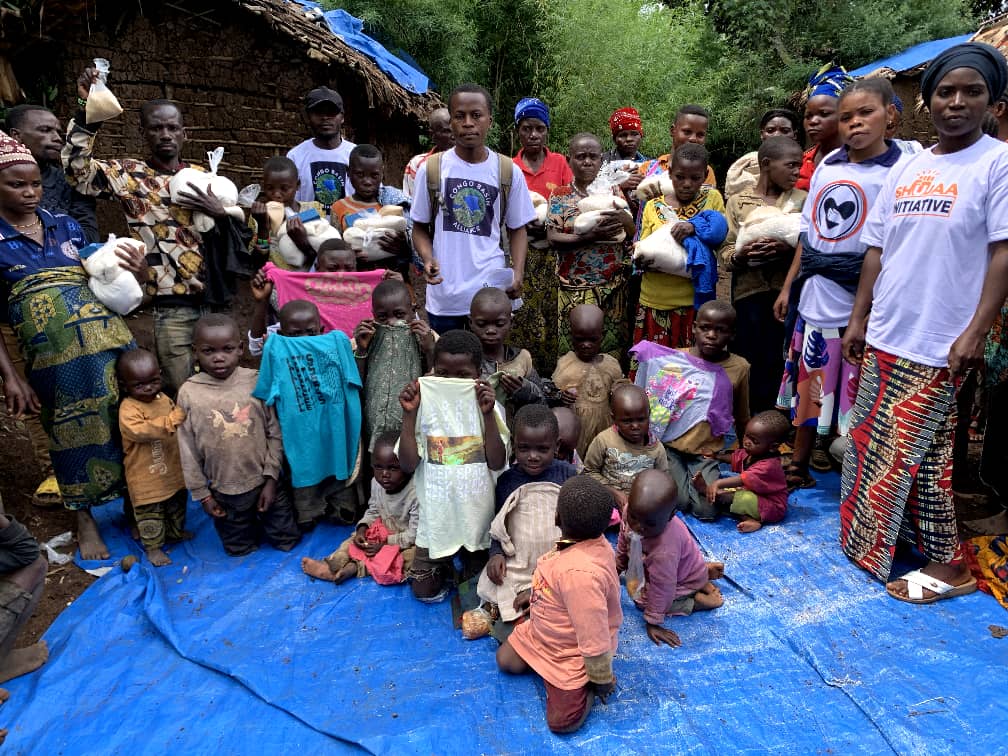
While the environmental toll is visible, the human impact is equally harrowing. Communities living near oil fields suffer from deteriorating living conditions, compounded by poor access to basic services. The oil activities have reportedly led to food insecurity, increased disease outbreaks, and the displacement of families.
“The local community is the primary victim of this exploitation,” Kalalizi emphasised.
Residents are often left out of the decision-making process and rarely see the economic benefits of resource exploitation. The activists argue that the rights and voices of these communities must be central in all deliberations about resource use.
They are advocating for greater community involvement in oil governance and demand that benefits from natural resources trickle down to the people whose lands are being exploited.
Questioning Government Commitment
In recent years, activist pressure prompted the DRC government to cancel 27 oil blocks. However, many view this move with scepticism, especially after 52 new blocks were put up for tender shortly after.
“The cancellation of 27 oil blocks is not solely the government’s decision; it stems from our struggle and unity as activists,” Kalalizi stated.
This development has led to growing concerns over the government’s actual commitment to sustainability and transparency. The activists insist that oil block allocations must be subjected to rigorous risk assessments involving all stakeholders, including civil society groups and local communities.
They propose the formation of an independent commission composed of community representatives, civil society organisations, and government officials to oversee and evaluate oil projects. The goal is to ensure a just and equitable management of resources, with the environment and people placed before profit.
Activism Under Threat
Despite their efforts, climate activists in the DRC face serious challenges in their mission. Financial constraints, lack of government support, and personal threats have hindered their ability to scale their advocacy.
“We ask international organisations to fund our projects and provide opportunities for us to attend conferences abroad, and for the government to issue visas within a very short timeframe,” Kalalizi appealed.
The activists call on international environmental bodies, human rights organisations, and philanthropic institutions to provide funding, technical support, and platforms for their voices to be heard globally. These resources, they say, are essential for building resilience and maintaining momentum in the fight against environmentally and socially harmful oil exploration.
The Road Ahead
The testimonies of these activists paint a clear picture: oil exploitation in the DRC is more than just an economic issue; it is a moral, environmental, and human rights crisis. With natural ecosystems under siege and vulnerable communities suffering, the need for transparent, inclusive, and sustainable governance of natural resources is more urgent than ever.
As the DRC navigates its future, the government must prioritise long-term ecological stability and the well-being of its people over short-term financial gains. Listening to the voices of activists and affected communities will be a critical step toward achieving true progress, one that benefits the country without sacrificing its rich environmental heritage and human dignity.