

By Afia Agyapomaa Ofosu
“You can’t have climate justice without gender equality.” These words from Ugandan climate activist Vanessa Nakate underscore an urgent truth, especially for Africa, where climate change impacts are increasingly severe. African women are on the front lines, not just as those most affected, but as change-makers in the fight for climate justice.
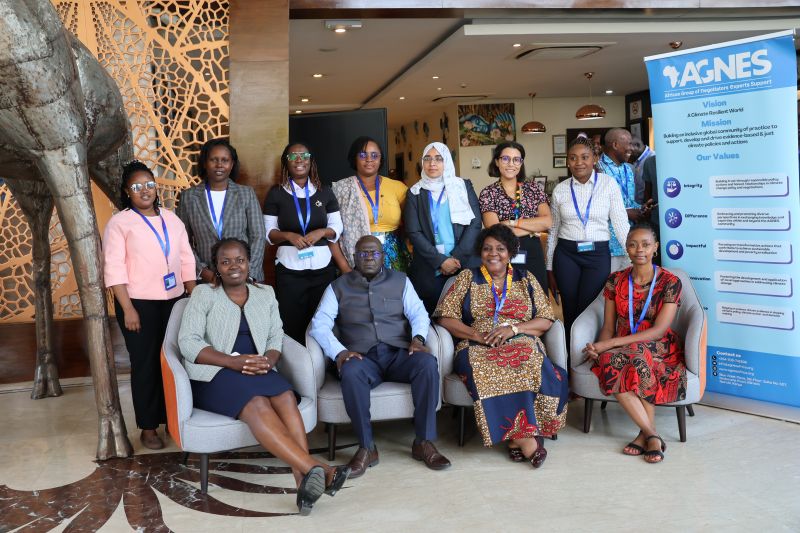
The African Group of Negotiators Experts Support (AGNES), in partnership with the African Development Bank Group, the African Development Fund (ADF), and the Climate Investment Funds (CIF), recently launched the Empowering Women in Climate Governance Programme.
This initiative, gathering ten influential women leaders from across Africa, seeks to solidify women’s roles in climate governance and decision-making. Held in Nairobi, Kenya, the program united prominent women leaders, including Helene Uzayisenga from Rwanda, Beverly Mishili from Zambia, and Dr. Joyce Ogwezi from Nigeria, in a powerful moment of networking, knowledge-sharing, and empowerment.
A Gendered Crisis Unfolds Across Africa
As climate extremes, from devastating floods to parching droughts, sweep across Africa, women bear the brunt of these environmental disasters. According to the 2023 State of Climate in Africa report, the continent faces escalating risks, including economic setbacks and ecological harm, which disproportionately affect women. It’s estimated that by 2030, nearly 118 million Africans will be at heightened risk from severe climate conditions, with women being the majority of those impacted. Despite bearing these burdens, women remain largely excluded from climate policy and governance—rooms where decisions about their future are made.
This exclusion perpetuates vulnerabilities, as African women, who represent more than half of the continent’s population, are systematically denied political and economic power. They face barriers to education, financial resources, and essential services. It’s a stark reminder of the inequalities embedded within the climate crisis, where those most affected are denied the power to enact change.
A Call to Action for African Women in Climate Leadership
Dr. George Wamukoya, AGNES Team Leader, stressed the importance of gender inclusion in climate governance during the Nairobi Induction Workshop. “Gender is core to climate governance,” he emphasized. With the current Gender Action Plan reaching its conclusion, Dr. Wamukoya called on African women to shape the next framework and take a central role in decision-making.
In her own country, Ghana, Afia Agyapomaa Ofosu notes the painful impact of illegal mining, known as galamsey, which devastates communities, pollutes rivers, and strips soil of fertility. Women and children, who are especially vulnerable, bear the heaviest toll of these environmental crimes, often without accountability from leaders. This underscores the urgent need for leadership that prioritizes both gender equality and environmental justice.
Women as Key to Achieving Climate Justice
As the world wrestles with climate action, African women are proving they have the expertise, resilience, and passion to lead. From grassroots movements to global forums, they are illuminating a path toward a future where gender equality and climate justice coexist. Delaying their inclusion in climate governance is no longer an option; every day of inaction risks lives, livelihoods, and the future of communities across the continent.
The Nairobi workshop and the work of AGNES serve as a testament to the essential role of women in climate governance. Yet, the pressing question remains: will governments and global institutions finally acknowledge and empower women as pivotal leaders in climate action?
The Time for Action Is Now
The world cannot tackle the climate crisis without addressing the inequalities that fuel it. Women must be seen not as ancillary participants, but as the core of the solution. Empowering African women to lead in climate governance is more than an option; it’s a necessity for meaningful change. Their voices are needed, their leadership is required, and their contributions are indispensable.
As storms intensify and environmental challenges grow, African women are ready to lead the way. The question is, will we follow?
Email: prissyof@yahoo.com
I am a woman and I believe I am a core participant in tackling the climate crisis