

By Afia Agyapomaa Ofosu
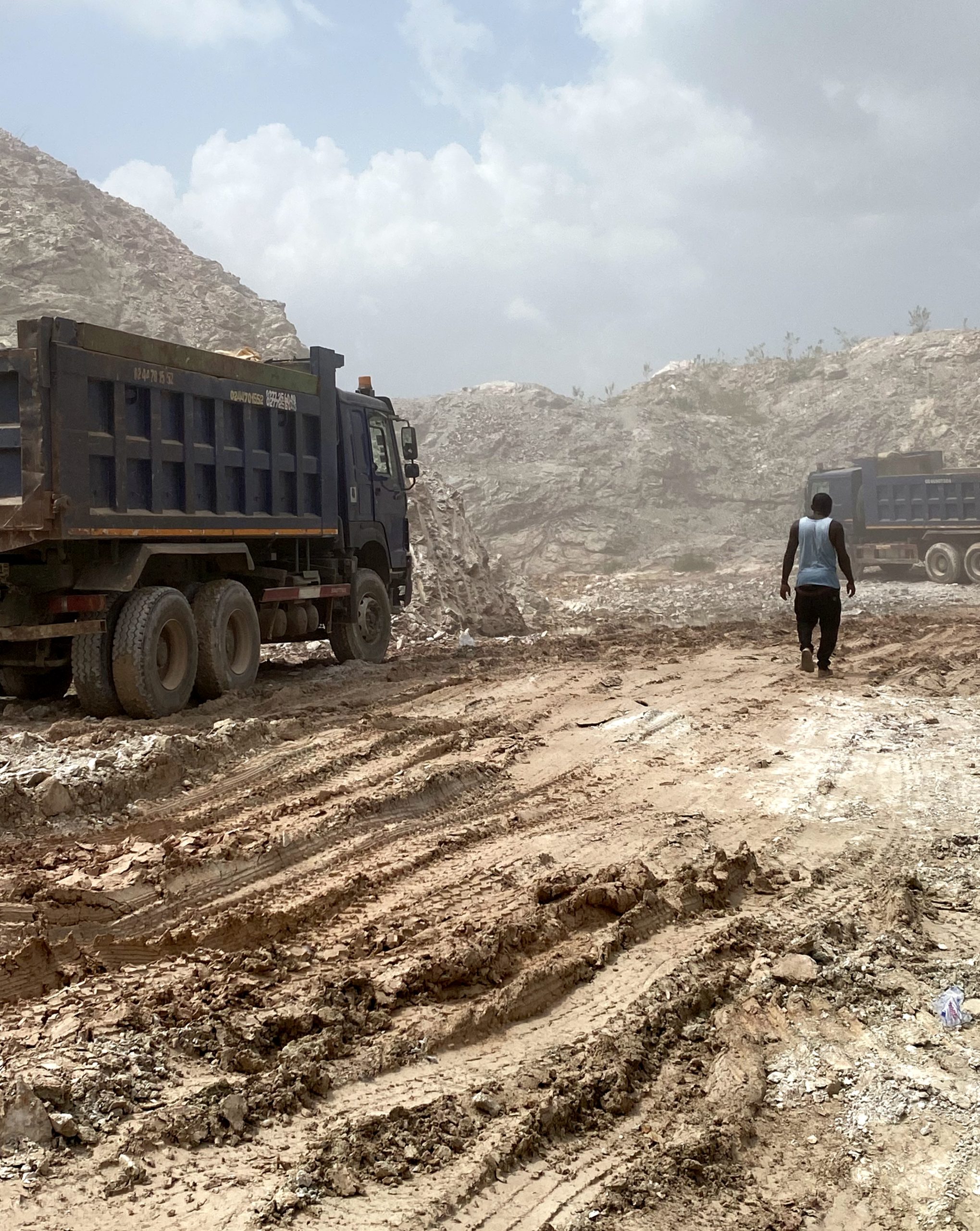
The quarry industry in Ghana, a crucial pillar of the nation’s infrastructure development, is facing a crisis that has largely gone unnoticed. Once a thriving local enterprise, the sector is now dominated by foreign nationals, leaving local communities to bear the brunt of environmental and social challenges.
An investigation into quarry operations across Greater Accra, Central, and Eastern regions reveals a troubling reality: while these sites supply stones for roads, bridges, and buildings, the communities living near them are left in dire conditions, with little to show for the resources extracted from their lands.
Foreign Control and Displaced Ownership
Historically run by indigenous Ghanaians, the quarry industry has seen a significant takeover by foreign operators, predominantly Chinese nationals. This shift has pushed many local operators out of business.
“I applied for a permit, only to eventually hand it over to a foreign operator,” said a local entrepreneur in frustration. At one quarry site, the presence of foreign ownership was glaring, with Ghanaian workers reduced to labourers while control of operations rested in foreign hands.
This trend has raised concerns about the loss of Ghanaian ownership of natural resources. Critics argue that the country is not only losing its land but also its ability to independently manage a critical industry.
Living in the Shadows of Quarries
For communities near quarry sites, the presence of these operations has brought more harm than good. Roads, once motorable, have become nearly impassable due to the constant movement of heavy trucks. Residents recount how the deteriorating roads make accessing healthcare facilities a daunting task, especially for pregnant women and the elderly.
The environmental toll is equally severe. Dust and noise pollution have made life unbearable for residents. Yet, despite enduring these challenges, the affected communities have received no tangible benefits.
“There’s no clean water, no proper roads, no healthcare facilities. We’re left with nothing but suffering,” a resident lamented.
Outdated Royalty Collection System
The investigation also uncovered significant inefficiencies in the collection of royalties from quarry operators. Despite advancements in technology, the system remains manual, raising concerns about transparency and accountability.
Ghana is losing valuable revenue that could be reinvested into these communities due to this outdated system. Many have called for the adoption of digital platforms to streamline royalty collection and ensure funds are properly utilized.
Environmental and Economic Concerns
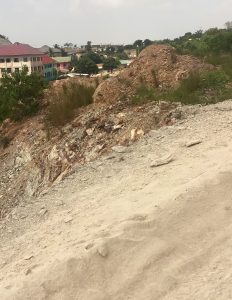
Another pressing issue is the lack of rehabilitation plans for quarry sites once minerals are depleted. Abandoned quarries become wastelands, with no efforts to restore the land for future use. This neglect mirrors the devastating impact of illegal mining activities, known locally as Galamsey, which have left parts of Ghana’s landscape in ruins.
Experts warn that the quarry industry could follow a similar path of environmental destruction if measures are not put in place to regulate operations and enforce rehabilitation plans.
Communities Left Behind
Unlike other industries, such as cocoa farming, where support systems exist for farmers and their families, communities near quarries receive no such benefits. Residents are left to navigate life with no support, despite the significant contributions their land makes to the national economy.
Children growing up in these areas face an uncertain future, with little hope for improvement in living conditions.

A Call for Reform
The findings highlight an urgent need for reform in Ghana’s quarry industry. Stakeholders are calling for:
- Transparent and digitalized royalty collection systems.
- Mandatory rehabilitation plans for depleted quarries.
- Investment in infrastructure and social amenities for affected communities.
- Greater control of the sector by indigenous Ghanaians.
As Ghana continues to develop, it is imperative to ensure that no one is left behind. The quarry industry, while essential for national growth, must prioritize the welfare of the communities whose lives it disrupts.
“It’s time for Ghana to take control of its resources and ensure that the people living in the shadows of development are not forgotten,” one local activist said.
The plight of these communities serves as a stark reminder that true development is not just about infrastructure—it’s about people.
The writer is a journalist, a climate and environmental advocate.
E-mail:prissyof@yahoo.com