

By Collins Odigie Ojiehanor
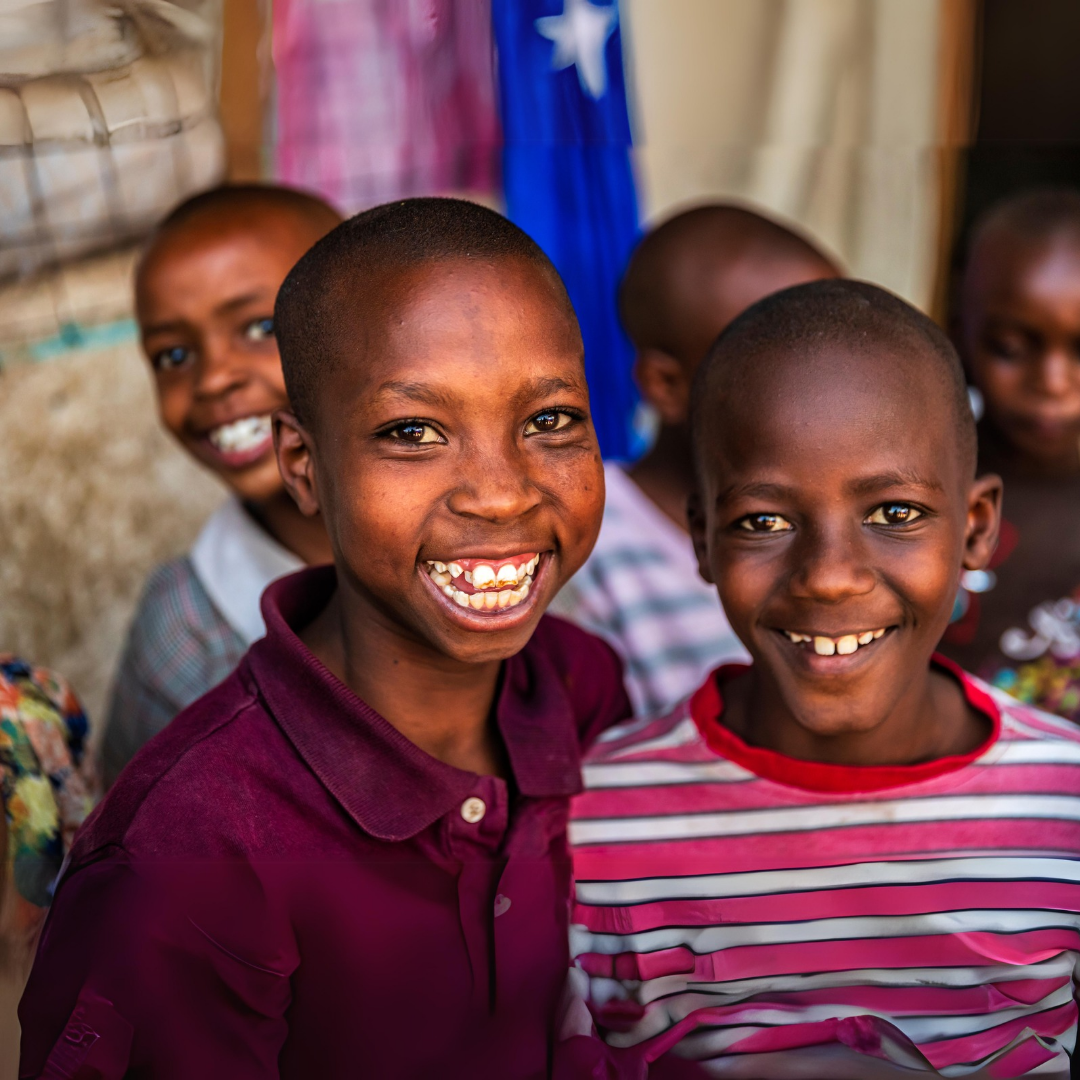
As Nigeria joins the global community in celebrating the International Day of the Boy Child, focus turns to the unique challenges and opportunities facing young boys across the nation, emphasizing the need to nurture and protect the Boy Child.
The international day of the boy child, celebrated May 16th every year, highlights the need for a comprehensive approach to supporting boys in their journey towards becoming responsible and productive members of society.
Young boys Faces Educational Challenges and Opportunities
Education remains a critical area of focus in discussions surrounding boys’ development. Students, parents, and educators shared on the importance of creating supportive educational environments.
“We need to ensure that boys grow up with the right values, respect for all genders, and the skills to navigate today’s complex world,” said Mrs. Folake Adeyemi, the principal of All Bright Academy. “It’s not just about academic success but also emotional intelligence and empathy. Schools must provide a holistic education that prepares boys for various life challenges,” she added.
Despite the emphasis on education, boys in Nigeria face numerous obstacles, including socioeconomic barriers and cultural expectations that may prioritize work over schooling. In rural areas, boys are often expected to contribute to family income, leading to higher dropout rates.
Seventeen-year-old Solomon Okojie, from Aduwawa, in Benin City, shared his experiences. “Sometimes, there’s a lot of pressure to be tough and not show emotions. But I think it’s important for us to talk about our feelings and support each other,” he shared.
“I love going to school, but sometimes we don’t have enough books or teachers,” he said. “I want to be a doctor someday, but I need the right support to get there.”
Solomon’s perspective highlights the need for educational systems that not only focus on academic achievement but also address emotional and social development.
“Many boys in Nigeria are not reaching their full potential due to various barriers,” said Mrs. Funmi Adebayo, a secondary school teacher. “While there are numerous programs for girls, we need to ensure that boys also receive the support they need to succeed academically and emotionally.”
Mental Health: A Silent Crisis for the Boy Child
Mental health issues among boys are often overlooked, largely due to societal expectations that discourage them from expressing vulnerability.
Dr. Ibe, a child psychologist, emphasized the importance of addressing these issues early. “Boys are frequently discouraged from expressing their emotions, which can lead to unresolved mental health problems. We must create safe spaces where they can openly discuss their struggles,” he said.
Dr. Ibe also highlighted the need for schools to integrate mental health education into their curricula to help boys develop healthy coping mechanisms.
Mr. Peter Imafidon, a father of three boys, emphasized the importance of addressing the mental well-being of boys, encouraging and nurturing them, and not just seeing them as superhumans who do not need emotional support.
“Society often neglects the emotional needs of boys, expecting them to be strong and resilient at all times,” Mr. Imafidon said. “We need to create safe spaces where boys can express their feelings without fear of judgement.”
Amina Yusuf, a Nurse, highlighted the importance of regular health check-ups and awareness about common health issues affecting boys. “Preventive healthcare is vital. Parents and guardians should ensure that boys receive regular medical attention and are educated about health and hygiene practices,” she said.
Young Boys Face Challenges of Role Models and Parenting
Effective parenting and positive role models are essential in fostering boys’ development and preparing them for adulthood.
Fifteen-year-old Emeka Nwosu, spoke about how his father’s guidance has shaped his outlook on education. “My dad is a teacher, and he’s always encouraged me to ask questions and never stop learning,” Emeka explained.
“He spends time helping me with my homework and talks to me about the importance of education. He also tells me stories about famous scientists and leaders who succeeded through persistence and curiosity. It makes me want to learn more and do well in school, that was why I studied hard and I passed my WAEC just in one sitting.”
Thirteen-year-old Sani Bello, expressed how his father instilled in him the values of respect and discipline. “My father is selling yam at this 2+2 market here in Eyaen, and he is very strict about respect. He always tells me to greet elders properly and to listen when others are speaking,” Sani said.
“He also makes sure I do the right thing, especially when it comes to my school and work in the house. Because of him, I understand the importance of respecting others and not doing bad things,” he added.
Mrs. Evelyn Osagie, mother of four boys, shared her approach to parenting. “I believe in being present and actively involved in my sons’ lives. It’s crucial to teach them respect, kindness, and the importance of education,” she said.
“Fathers need to be present in the lives of their boy child as much as mothers are. They need to teach these boys and be a good role model to them,” she added. Mrs. Evelyn’s dedication reflects a growing awareness of the impact of involving fatherhood on boys’ development.
For Mr. Momoh Ajayi, he believes that parenting and fatherhood have a psychological impact on the boy child. “Boys who have positive male role models and fathers who taught them are more likely to develop healthy self-esteem and emotional intelligence. They learn how to handle conflicts, express their emotions constructively, and develop a sense of responsibility,” he said.
In her words, Mrs. John Williams noted that effective parenting practices are critical in shaping boys’ futures. “Fathers and male guardians play a pivotal role in instilling values, discipline, and confidence in boys. Engaging in activities together, setting positive examples, and fostering open communication are some ways parents can positively influence their sons.”
Bottom Line
As the world celebrates the international day of the boy child every year, this day serves as a reminder of the ongoing need to address the challenges boys face and promote their empowerment and equality.
“We must continue to invest in the future of our boys, just as we do for our girls; together, we can build a society where every child has the opportunity to succeed and thrive. The work does not end today; it’s a continuous effort to ensure a better future for all our children and for Nigeria,” Mrs. Evelyn concluded.
As Nigeria embraces this significant day, the hope is that these conversations and actions will lead to meaningful changes that support the holistic development of boys across the nation, ensuring they grow into well-rounded, responsible adults who contribute positively to society.