

… Inside Nigeria’s Oral Health and Dental Hygiene Crisis
By Collins Odigie Ojiehanor
“I thought it was just ordinary toothache,” she said with a heavy sigh, shaking her head as though still reliving the memory.
For 53-year-old Mrs. Esther, a businesswoman in Benin City, she had learned to live with toothache. A stubborn ache that came and went, never fully disappearing but never quite enough to stop her daily routine.
Or so she thought.
“I suffered from a toothache for many years,” she recalled. “People kept giving me different traditional remedies.”
Some told her to rinse with warm water. Others swore that shaking alcohol around the gum would numb the pain. When the pain grew sharper, someone suggested something stronger, Anacin tablets, ground into powder and pressed directly onto the tooth root.
Desperate for relief, she tried it.
“I did that for a while and thought I was getting better,” she said. But the truth was different. She still couldn’t chew on that side of her mouth. The gum began to swell. Then one morning, she looked in the mirror and froze.
There was a hole in the tooth.
The ache had transformed into a deep, constant throbbing that made it impossible to sleep. She avoided cold water. She avoided food. Some nights, tears streamed down her face as she sat awake, holding the side of her jaw.
With an estimated 3.5 billion people worldwide affected by oral diseases, according to the World Health Organization’s Global Oral Health Status Report (GOHSR), Nigeria faces an even more troubling situation, as revealed in the WHO Oral Health Country Profile. In Nigeria alone, between 85 and 124 million people are currently living with oral diseases, an alarming 80.3% increase over the past three decades.
The burden is especially heavy on children. An estimated 7 million Nigerian children have untreated dental caries in their primary (milk) teeth, while an additional 49 million children aged five years and above suffer from untreated caries in their permanent dentition.
Periodontal diseases (infections and inflammatory conditions that affect the structures supporting the teeth) are also widespread, affecting 25.1% of individuals aged 15 years and older. Meanwhile, edentulism (complete loss of natural teeth) affects 1.7% of Nigerians aged 20 years and above.
The WHO defines oral health as the state of the mouth, teeth and orofacial structures that enables individuals to perform essential functions, such as eating, breathing and speaking, and encompasses psychosocial dimensions, such as self-confidence, wellbeing and the ability to socialize and work without pain, discomfort and embarrassment.
Oral hygiene involves systematic efforts to keep the mouth clean and free from disease. This includes regular tooth brushing and the adoption of complementary hygiene habits aimed at creating an oral environment that is unfavourable for harmful microorganisms. The primary goal is to reduce the bacterial load in the mouth, thereby preventing oral diseases and supporting long-term dental and overall health.
By 2019, the pain had grown unbearable. Mrs. Esther had reached the point where she could no longer pretend it would heal on its own. She was rushed to the University of Benin Teaching Hospital (UBTH), where doctors examined the damage.
What they found shocked her.
“The doctor said the infection had spread to the other tooth,” she said. “They told me they would have to remove both.”
In the operating room, she lay still as they extracted the affected teeth and filled the damage left behind.
The procedure was painful. The recovery was slow. But for the first time in years, she woke up without the familiar stabbing ache in her jaw.
“I felt a whole lot of pain after the extraction,” she admitted, “but they gave me some medication and everything healed, I’ve been very okay. Since then, I haven’t felt any toothache.”
Her relief was almost unbelievable. After years of trying home remedies, living with swelling, and enduring sleepless nights, the solution was not the mixtures or powders people recommended, it was professional dental care.
Mrs. Esther’s journey mirrors the experience of millions of Nigerians who rely on traditional advice, self-treatment, and late intervention, often waiting until the pain becomes unbearable or irreversible.
Major Oral Health Conditions
According to the WHO Oral Health Fact Sheet, most oral health conditions are largely preventable and can be effectively treated when addressed early. However, the global prevalence of major oral diseases continues to rise, driven by urbanization, lifestyle changes, inadequate fluoride exposure, and limited access to oral health services.
Fluoride, found naturally in water and added to toothpaste plays a vital role in preventing tooth decay. Yet inadequate fluoride exposure, combined with increasing consumption of sugar-rich foods and beverages, has fueled a significant rise in oral diseases worldwide. The aggressive marketing of sugary products, tobacco, and alcohol has further contributed to oral health conditions and other NCDs, including diabetes, cardiovascular diseases, and cancer.
The WHO identifies several major oral health conditions, their symptoms and causes affecting populations globally:
- Dental Caries (Tooth Decay)
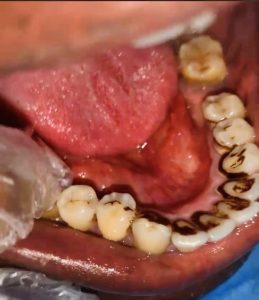
Dental caries occurs when dental plaque on tooth surfaces breaks down free sugars, including sugar added during food processing or naturally present in honey, syrups, and fruit juices into acids. These acids gradually erode tooth enamel, leading to cavities.
High sugar intake, poor plaque removal, and inadequate fluoride exposure significantly increase the risk of caries, which can result in pain, infection, and tooth loss if left untreated.
- Periodontal (Gum) Disease
Periodontal disease damages the tissues supporting the teeth and is characterized by symptoms such as swollen or bleeding gums, pain, and bad breath. In severe cases, the gum can separate from the tooth, and the underlying bone may deteriorate, causing tooth mobility or eventual tooth loss.
Severe periodontal disease affects over 1 billion people worldwide, with poor oral hygiene and tobacco use as major risk factors.
- Edentulism (Total Tooth Loss)
Edentulism, or complete tooth loss, is typically the result of untreated dental caries and advanced periodontal disease over a lifetime. Trauma or other conditions can also contribute.
Globally, about 7% of adults aged 20 years and older experience total tooth loss. Among adults aged 60 years and above, this prevalence rises sharply to 23%. Tooth loss can significantly impact nutrition, speech, self-esteem, and overall quality of life.
- Oral Cancer
Oral cancer, including cancers of the lip, oral cavity, and oropharynx is the 13th most common cancer worldwide. In 2022 alone, there were approximately 389,846 new cases and 188,438 deaths attributed to oral cancer.
The disease is more common and more deadly in men, often reflecting differences in exposure to risk factors such as tobacco, alcohol, and areca nut (betel quid) use. In North America and Europe, human papillomavirus (HPV) infections account for an increasing number of oral cancer cases among young adults.
- Oro-dental Trauma
Oro-dental trauma results from injuries to the teeth, mouth, or oral cavity. An estimated 1 billion people have experienced such trauma, with a prevalence of about 20% among children under 12.
Causes include misaligned teeth, unsafe environments, road traffic accidents, sports injuries, and violence. Treatment is often complex, lengthy, and expensive, and in some cases, trauma may result in permanent tooth loss or facial developmental issues.
- Noma
Noma is a severe, rapidly progressing gangrenous disease affecting the mouth and face. It predominantly affects children aged 2–6 years living in extreme poverty, with malnutrition, infectious diseases, poor oral hygiene, and weakened immunity as major contributors.
While mostly found in sub-Saharan Africa, Noma cases have also been reported in Latin America and Asia. Early symptoms begin with gum lesions that progress rapidly to destroy soft tissue, bone, and facial skin.
An estimated 140,000 new cases occur annually, with a 90% fatality rate if untreated. Survivors are often left with severe facial disfigurement, difficulty speaking and eating, and deep social stigma. Early detection along with antibiotics, improved nutrition, and hygiene, can halt the disease.
- Cleft Lip and Palate
Cleft lip and palate are the most common craniofacial birth defects, affecting approximately 1 in 1,000–1,500 births worldwide. While genetic factors are primary causes, poor maternal nutrition, tobacco use, obesity, and alcohol intake during pregnancy also increase risk.
In low-income settings, infants with cleft conditions face higher neonatal mortality. However, with timely surgical intervention and rehabilitation, full recovery is possible
Other Common Causes of Oral/Dental Issues
Oral diseases rank among the most common non-communicable diseases (NCDs), exerting heavy social, economic, and health system burdens. They affect individuals across the entire life course, often leading to pain, disfigurement, social isolation, psychological distress, and in severe cases, life-threatening complications or death.
A Registered Dental Surgery Assistant and the Managing Director of Providence Dental Care, Providence Dental Supplies, and Deen’s Dental Clinic, RDSA. Moyinoluwa Emmanuel, highlighted that:
“These problems are common because people skip regular check-ups, don’t brush well, eat too much sugary food, and drink a lot of soda. In many cases, people simply don’t know the right way to care for their mouth.”
- Poor Oral Hygiene
Infrequent brushing and flossing allow plaque and bacteria to build up, leading to tooth decay, gum inflammation (gingivitis), and advanced gum disease (periodontitis).
- Dietary Culture
The most common identified dental conditions affecting Nigerians include tooth decay, gum disease, tooth sensitivity, and persistent bad breath. This issue is further compounded by Nigeria’s dietary culture, which is rich in starchy and sugary foods that promote cavities.
Bacteria in the mouth feed on sugars, producing acid that erodes tooth enamel, causing cavities. Frequent consumption of acidic substances can wear away tooth enamel, leading to tooth erosion.
Tooth enamel erosion is a condition that develops very slowly and leaves teeth both discolored and rounded-looking. Its primary cause is consuming plenty of sugary and acidic foods such as soda and sweets over a long period of time.
- Lifestyle And Habits
Smoking is a major risk factor for periodontal disease, bad breath, and oral cancer. Stress or other issues can cause you to grind your teeth, which can lead to headaches, jaw pain, and cracked teeth.
- Systemic Diseases And Injuries
Conditions like diabetes and HIV/AIDS can weaken the body’s ability to fight infection, making oral health problems worse. Injuries from sports or other accidents can lead to cracked or broken teeth. Some medicines can cause dry mouth by reducing saliva flow, which increases the risk of oral infections and decay.
- Genetics And Development
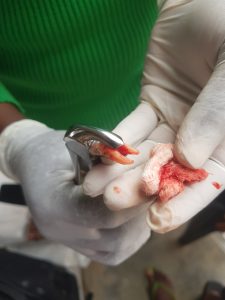
Certain conditions, like impacted teeth, can lead to issues like dental cysts. A dental cyst is a fluid-filled sac that can develop in the gums or jawbone, often near the root of a tooth. They can cause pain, discomfort, or damage to nearby teeth if left untreated.
Oral Health Education In Nigeria
In response to Nigeria’s growing burden of oral diseases, the Federal Government through the Federal Ministry of Health & Social Welfare in 2024 launched two major health policies: the National Oral Health Policy and the National NOMA Control Policy and Strategic Action Plan.
The new Oral Health Policy builds on earlier frameworks, with the previous versions adopted in 2012 and reviewed in 2019, highlighting the country’s continued commitment to improving oral health outcomes despite persistent implementation gaps.
Both policies focus on strengthening preventive oral health measures, improving access to dental services, and promoting public education at the community level. They also emphasize expanded research, data collection, monitoring, and evaluation strategies aimed at improving service delivery and ensuring that future interventions are grounded in evidence.
A major component of the newly launched framework is the strengthened response to Noma, a devastating gangrenous disease affecting the tissues of the mouth and face, primarily seen in children living in extreme poverty. The strategic plan outlines steps to improve awareness, early detection, community mobilization, and treatment to reduce Nigeria’s high vulnerability to the condition.
With these policy updates, the Federal Government aims to reverse decades of poor oral health outcomes and align Nigeria more closely with global best practices in preventive dental care and national health planning.
While strong policies exist on paper, the reality in many communities tells a different story. RDSA. Moyinoluwa, explained that despite Nigeria’s increasing burden of dental diseases, public understanding of oral hygiene remains deeply inadequate. Many people still lack basic knowledge of proper brushing techniques, the importance of flossing, or how to identify early signs of dental problems before they become serious.
According to her, most Nigerians only seek dental help when the situation has deteriorated into severe pain or complications, a pattern that continues to drive high rates of tooth decay, gum disease, infections, and emergency extractions across the country.
“Honestly, many people still don’t know enough about how to properly take care of their teeth and gums,” she said.
“Most people brush, but they don’t brush the right way, don’t brush long enough, or don’t floss at all. A lot of people also don’t know the signs of early dental problems until it becomes serious.”
She emphasizes that the lack of awareness is tied to education gaps, misconceptions, and inconsistent preventive practices.
“There isn’t enough oral health education in communities. People are not taught why dental care is important. Schools don’t teach children proper brushing habits. Many adults don’t understand that dental issues can affect overall health. There are also not enough awareness campaigns, especially in rural areas.”
Her observations highlight a deep structural issue that oral health has not been prioritized in public health education, unlike diseases such as malaria or HIV.
Survey Reveals Widespread Gaps in Oral Health Knowledge
A 50-person survey conducted as part of this investigation, using a structured questionnaire, revealed troubling gaps in oral hygiene practices and access to dental care among Nigerians. The findings highlight how widespread misconceptions, poor habits, and systemic barriers contribute to the growing oral health crisis.
- Brushing Habits Are Inadequate
While many respondents reported brushing their teeth daily, a significant portion admitted they do not brush twice a day, the standard recommended by dentists.
Some respondents even indicated brushing only once, rarely, or only when the mouth tastes bad, showing that basic oral hygiene routines are not well adopted.
- Flossing and Mouthwash Use Are Extremely Low
The survey shows almost no culture of flossing or mouthwash use in many homes.
Several respondents explicitly stated:
“I don’t know what mouthwash is.”
“I don’t know how to floss.”
This lack of knowledge highlights a major educational gap.
- Dental Visits Are Rare or Nonexistent
A large percentage of respondents said they never visit a dentist or only go when pain becomes unbearable.
When asked why, the most common reasons were:
“Dental care is too expensive”
“I don’t think it is necessary”
“There is no dental clinic near me”
This confirms both economic and geographical barriers to care.
- Cost Is A Big Obstacle
Across the dataset, respondents repeatedly listed high cost as the reason for avoiding dental checkups.
Many families wait until infections worsen before seeking help often requiring more painful, expensive procedures.
- Children and Adults Lack Proper Education on Oral Hygiene
When asked if they received any formal education about dental care: Many respondents said No. Others said they received only basic or surface-level teachings. This reinforces the notion that oral hygiene is not strongly emphasized in Nigerian communities.
- Awareness About Dental Tools and Proper Techniques Is Low
Responses such as: “I don’t know what flossing is,” and “I don’t use mouthwash,” show that knowledge is not just limited, it is lacking at the foundational level. Similarly, those who had dental issues often could not connect them to dietary habits.
- Strong Public Demand for Awareness Campaigns
When asked what government or health institutions could do to improve oral health, respondents consistently mentioned:
- More awareness and sensitization
- Affordable dental hospitals
- Affordable health insurance
- Community outreach
- Seminars in schools
- Eradication of fake dental practitioners
This shows a strong public desire for structured, credible oral health education.
The Reality Echoed Across Public and Private Schools
Interviews and group discussions with students from both public and private schools reveal a striking reality: oral health education is largely absent in many Nigerian classrooms.
Across several public schools visited, students admitted they had never been taught anything related to dental hygiene, either in class or through school health programs. For many of them, brushing was something they learned at home, often without guidance on frequency, duration, or proper technique.
One student in Junior Secondary School explained simply: “We just brush in the morning because that’s what our parents told us. Nobody has ever come to teach us how to do it the right way.”
But the situation was not much different in private schools, although a few had experienced occasional exposure through external campaigns.
Anita Joseph, a Senior Secondary School student from one of the private schools visited in Aduwawa, Benin City, said the only time dental education ever reached her school was when a team from Colgate visited in 2017, back when she was in Primary Two.
“When they came, they gave us toothbrush and toothpaste and gave us a flyer that contained steps on how to brush our teeth properly,” she recalled.
“Since then, we haven’t been exposed to any information about oral health or dental hygiene practices,” she added.
Seven years later, Anita and her classmates have grown older, but the lessons have not been repeated, reinforced, or expanded upon. Like many Nigerian students, they now rely on guesswork, peer discussion, or trial-and-error to manage their daily oral hygiene.
One of the teachers, Perpetual Ofure Iyobhebhe, explained that while oral hygiene is included in the curriculum, it is not deeply taught.
“Yes, students are taught about oral hygiene, but mostly at the basic school level,” she said. “The information they receive is usually very simple, not as thorough as what a professional would teach.”
While schools acknowledge the importance of oral hygiene, Iyobhebhe believes more can be done.
“Although schools do teach about oral hygiene, but they don’t place much emphasis on it as a regular routine,” she concluded.
Across the schools surveyed, one theme was constant: the majority of children rely on families, not schools, government or health programs for oral health knowledge.
Many students said the only exposure they ever get to dental hygiene messaging are toothpaste adverts on television; social media commercials; and billboards promoting dental products.
But as several students pointed out, advertisements do not explain how to brush correctly; how long to brush; what foods damage the teeth; or why flossing matters.
This gap is especially problematic in low-income communities, where parents often have limited knowledge themselves and cannot afford professional dental care.
Without structured school-based education, many Nigerian children grow up not learning proper brushing techniques; do not understand the consequences of sugar consumption to the teeth; are unaware of gum disease or early warning signs; and only visit a dentist when pain becomes unbearable.

Traditional Remedies Still Strong Among Older Nigerians
While modern dentistry continues to push for improved oral hygiene practices, many older Nigerians still rely heavily on traditional methods. One of the most widely used is the chewing stick, a cultural dental tool passed down through generations.
In several communities, older adults maintain that chewing stick offers stronger protection than toothpaste. Among them is Mr. Ebo Omoze, fondly known as “Baba,” a 78-year-old farmer, who insists that natural methods remain the best form of oral care.
“Chewing stick has been my medicine,” Baba shared.
Sitting on a wooden chair in the shade of his compound, Baba holds a freshly peeled chewing sticks as he speaks with quiet confidence, the confidence of someone who has trusted the same method for decades.
“I have been using chewing stick since childhood. I am in my late 70s now, and it has been my medicine all my life.”
Despite encouragement from his children to adopt toothbrush and toothpaste, Baba prefers what he calls “God’s natural cleaner.”
“Chewing stick is not just stick. It is medicinal. The tree itself has power, it kills germs, strengthens the gum, and cleans the teeth well. Toothpaste is good, but it cannot beat something God created,” Baba highlighted.
He admits he tried switching to toothbrushes but quickly returned to his trusted practice. “I didn’t feel clean with it. Even at my age, my teeth are strong. In our days, we didn’t have toothache anyhow.”
According to him, younger Nigerians experience more decay because “they eat too much sugar and don’t clean well.”
“When you chew it, you can feel it working. It reaches everywhere,” Baba emphasized.
He prefers a strong, bitter variety of the chewing stick from a tree known locally as “Dogoyaro,” whenever he exhausts the ones gotten from the local traders.
Baba says he has never required major dental treatment in his entire life, a claim that reflects a long cultural tradition but also highlights the generational divide in oral health practices across Nigeria.

Access to Dental Care
“I kept telling myself it would heal on its own,” she said.
What began as a mild discomfort soon turned into a deep, burning ache that refused to let her sleep or even think straight.
Eating became a struggle. Speaking felt like needles scraping her gum. Some nights, the pain shot up into her temples, leaving her with pounding headaches and feverish chills.
For months, Freda Okoro, a 21-year-old engineering student, lived with a throbbing pain in her gum, one she tried to silence the only way she knew how.
“Sometimes I would roll a piece of cloth and tuck it into the side of my mouth just to numb the pain until it calmed down,” she recalled.
“My face felt hot, and the pain inside my gum was like something biting me from the inside.”
Then one morning, she noticed something new. Her chin had swollen. Not a normal puffiness, but a hard, painful bulge that her mouth could barely close, and every attempt to speak sent a sharp, electric jolt across her face.
That was the moment she knew this was no longer something she could ignore.
At the clinic, Freda sat trembling while the dentist examined her swollen face. They ordered tests. They pressed gently around her chin. By this time, tears were already rolling down her cheeks, not just from the pain, but from fear.
Freda lay on the chair as the dentist prepared the injections.
“The first injection stung like fire,” she said, remembering how her fingers dug into the arm of the chair.
A second injection followed. Then she was told to wait five minutes as the numbness slowly crawled across her gum.
When the dentist began, she felt pressure, a deep, unsettling tug as they cut into her gum.
“I could finally breathe again,” she said. “But the whole experience made me realize how dangerous it is to ignore dental pain.”
Freda’s ordeal is not unusual. Many Nigerians, especially young people, endure severe dental pain silently, resorting to homemade remedies, delaying treatment until the pain becomes unbearable, or waiting until infection swells their face and threatens their health.
In many rural and semi-urban communities, dental clinics are scarce, and treatment costs remain a major barrier. For families with limited resources, dental care is seen as a luxury. The shortage of dental professionals, especially outside major urban centers, forces many Nigerians to rely on harmful traditional practices or untrained practitioners.
RDSA. Moyinoluwa highlighted that over half of dental patients only visit the dentist when the pain becomes unbearable.
“Many avoid the dentist until the problem becomes severe, when the tooth is already badly damaged or an infection has spread, which is not supposed to be,” she said.
Beyond the clinic, dental laboratories are witnessing the consequences firsthand. DTE. Edibo Peter Princess, a Dental Technologist, explained that most of the appliances fabricated in the lab are major restorations. A sign that patients are presenting late.
“In the lab where I currently work, we fabricate more crowns and bridges,” she said. “Delayed treatment, ignorance, self-care or local methods, and neglect are the major reasons people end up needing these restorations.”
She estimates that only about 40% of Nigerians truly understand the importance of oral health, and the best treatments remain too expensive for many to afford.
Looking Ahead: What Needs to Be Done?
Experts emphasized that reversing Nigeria’s growing oral health crisis will require a coordinated approach that prioritizes education, accessibility, and prevention. RDSA. Moyinoluwa believes that meaningful progress can only begin when oral health becomes a consistent national priority rather than an overlooked segment of public health.
She recommends a comprehensive strategy that includes:
- Introducing structured oral hygiene programs in schools, where children are consistently taught proper brushing techniques, the dangers of sugary diets, and the importance of routine checkups.
- Expanding community outreach, especially in markets, churches, mosques, rural areas, and low-income communities where awareness is lowest.
- Making dental care affordable, through subsidized services, insurance coverage, and government-supported clinics that encourage early treatment rather than crisis visits.
- Strengthening public health campaigns, using radio, television, and social media to educate the public on daily dental care, the risks of untreated cavities, and proper oral hygiene tools.
- Collaborations between government, NGOs, and private dental facilities to provide low-cost or free cleanings, screenings, and oral health education drives.
- Integrating oral health into mainstream health policies, just like malaria, HIV, and vaccinations, recognizing that oral diseases affect nutrition, mental health, productivity, and overall well-being.
Iyobhebhe concluded that schools should organize routine checks and seminars with dental professionals to increase students’ knowledge base on oral hygiene. “Children get more interested when they see experts, not just their teachers talking to them. Introducing students to more dental care tools beyond toothpaste and brushes would also help.”
According to Olabisi Emmanuel, a business owner in Benin City, prevention must become the foundation of Nigeria’s oral health plan. “We need a system where people don’t wait for pain before visiting the dentist,” she emphasizes. “If we make checkups accessible, affordable, and part of everyday health culture, we can reduce the burden of oral diseases significantly.”
Bottom Line
The 50-person oral health and dental hygiene awareness survey conducted as part of this investigation revealed widespread gaps in Nigerians’ knowledge and practices. Many respondents reported brushing only once a day, with almost no routine flossing or use of mouthwash.
Dental visits were rare, with cost and lack of nearby clinics listed as major barriers. Several respondents admitted they had never received any formal education on oral hygiene, while others expressed confusion about basic dental tools such as floss and mouthwash.
The findings reflect a strong public demand for more awareness campaigns, affordable dental services, and community-level sensitization programs. With millions of Nigerians living with untreated dental problems, the urgency is clear.
Without strong interventions, oral diseases will continue to spread silently, impacting children, reducing school performance, affecting adults’ productivity, and placing avoidable pressure on the health system.
But with coordinated efforts, community engagement, and policy reforms, Nigeria can begin to turn the tide toward better oral health for all. Unless urgent steps are taken, oral health will remain a silent but widespread crisis affecting families across the country.