


By Collins Odigie Ojiehanor
As a busy megacity and the economic nerve center of Nigeria, Lagos struggles with critical crises that undermine residents’ health and quality of life. These issues are particularly devastating for rural communities and the urban poor, where the lack of clean and safe drinking water aggravates existing vulnerabilities. The city’s struggle with indiscriminate waste and sewage disposal habits has created a dire situation, threatening the well-being of its inhabitants and the sustainability of its environment.
Rapid urbanization has led to significant land reclamation projects, altering the natural landscape in Lagos. These projects, while creating more space for development, have sometimes disrupted the natural drainage systems and exacerbated flooding issues, pollution and contamination from industrial discharge, sewage, domestic waste, especially plastics, and environmental degradation, impacting water quality and marine life.
Open dumpsites, overflowing sewage systems, open defecations, and improper waste disposal habits have become common sights across different areas of Lagos. These practices lead to the contamination of water sources, making it nearly impossible for many households to access clean and safe drinking water.
The contamination stems from the seepage of harmful chemicals and pathogens from improperly disposed waste and sewage into the soil and groundwater, which are primary sources of water for these communities. Managing these environmental concerns has become crucial for the sustainable development of Lagos, balancing urban growth with ecological preservation.
The health implications of water contamination are severe, leading to outbreaks of waterborne diseases such as cholera, dysentery, and typhoid fever. Children and the elderly are particularly vulnerable to these diseases, which can be fatal if not promptly and effectively treated. Moreover, the economic burden of treating these diseases further impoverishes affected families, trapping them in a vicious cycle of poverty and ill-health.
In addition to the health risks, the environmental impact of indiscriminate waste and sewage disposal cannot be overstated. Polluted water bodies and soils disrupt local ecosystems, harming plant and animal life. This ecological degradation reduces agricultural productivity, a vital source of livelihood for many rural residents, thereby threatening food security in the region.
In many rural communities, there are no centralized sewage systems, and residents rely on pit latrines, septic tanks, or open defecation. These practices lead to the contamination of water sources as untreated sewage seeps into the groundwater. Even in areas where septic tanks are used, the lack of proper maintenance and regular emptying leads to overflows, further contributing to environmental pollution.

The Reality on Ground
The Corporate Accountability and Public Participation Africa (CAPPA) has highlighted a significant water crisis affecting Lagos, with over 8 million residents currently lacking access to clean drinking water. This announcement was made during the ‘Our Water, Our Right Coalition’s’ press conference marking World Water Day 2024, themed ‘Water for Peace.’
Despite Lagos’ status as a megacity, the water scarcity issue remains dire. CAPPA’s Executive Director, Akinbode Oluwafemi, emphasized the gravity of the situation: “While water scarcity is a widespread challenge across Africa, the situation in Lagos State is particularly alarming. Despite the state’s reputation as a leading megacity, over 8 million of its residents—equivalent to roughly 60 percent of its population—struggle with limited access to potable water.”
In many areas of Lagos, residents largely rely on wells and boreholes for their water supply, but these sources are frequently contaminated with waste and sewage. During the rainy season, runoff from waste dumps flows into nearby streams and rivers, which serve as the primary water sources for communities. The contamination of these water bodies leads to frequent disease outbreaks, further straining the already limited healthcare resources. The economic burden of medical treatment is substantial, with many families unable to afford the necessary care.
Some residents who are health conscious have resigned themselves to boiling their water before use, a time-consuming and costly process, while many others do not. However, boiling water does not eliminate all contaminants, and cases of waterborne diseases remain prevalent. In Igbogbo, Mrs. Aina Sampson describes the daily struggles of fetching water from a distant well before boiling it for her family. “Every day, I wake up at dawn to fetch water from a distant well. I have to boil the water before we can use it, but still, my children often fall sick with diarrhoea and stomach pains. It is heartbreaking to see them suffer,” she shares.
Similarly, even in the more affluent areas of Lagos, such as Lekki, and other parts of Lagos Island, the struggle for clean and safe drinking water is a pressing issue. Despite their status as some of the most developed parts of the city, these areas face significant challenges in accessing potable water, highlighting the pervasive nature of Lagos’s water crisis. This disparity underscores the complexities of urban water management in a rapidly growing megacity where infrastructure development often lags behind population growth.
Lekki and Lagos Island are known for their upscale residences, commercial establishments, and a growing expatriate community. However, the water infrastructure in these areas has not kept pace with their rapid development. Many homes and businesses rely on boreholes or private water supply companies, as the public water supply is either inadequate or non-existent in many homes. Borehole water, while commonly used, often contains contaminants due to the proximity of sewage systems and the lack of proper water treatment facilities.
The water quality in these areas is compromised by several factors, including the intrusion of saline water from the Atlantic Ocean, pollution from domestic and industrial waste, and inadequate sewage management. These contaminants can lead to various health issues, such as gastrointestinal diseases, skin infections, and other waterborne illnesses.
Residents often resort to purchasing bottled water for drinking and cooking, which adds to their living expenses and highlights the socioeconomic impact of the water crisis. During the rainy season, floodwaters can carry contaminants from poorly managed sewage systems into residential areas and water sources, further compounding the issue.
“We moved to Lekki expecting better living conditions, but the water issue has been a constant challenge. We spend a lot on bottled water because the borehole water is not safe for drinking. It’s frustrating and costly,” says Mr. Johnson Raymond, a resident of Lekki. His experience reflects the unexpected difficulties faced by residents in seemingly well-developed areas.
“As a business owner, clean water is essential for my baking business. I’ve had to invest in a water purification system, which has significantly increased my expenses. It’s not something I anticipated when I set up shop here,” explains Mrs. Amaka Amadi, who runs a baking business on Lagos Island. Her words highlights the economic burden on small businesses due to water quality issues.

Environmental and Health Threat of Water Contamination
“We live close to the dumpsite, and the water from our borehole now has a strange smell and taste. My children have been sick frequently, suffering from stomach pains and diarrhoea. It’s terrifying to think that the water we depend on is poisoned,” says Mrs. Uche Adewale, a resident of Oregun. Her condition highlights the immediate health impacts of leachate contamination on households.
The indiscriminate disposal of waste has led to severe contamination of water bodies, posing hazardous conditions for residents and the ecosystem. This environmental degradation threatens public health, exacerbates water contamination, and undermines efforts to achieve Sustainable Development Goal 6 (SDG 6), which aims to ensure the availability and sustainable management of water and sanitation for all.
Open dumpsites and landfills are often poorly regulated and lack the necessary infrastructure to contain and treat the waste they receive. Consequently, toxic leachate, an often poisonous liquid formed when rainwater filters through the waste seeps from these landfills into surrounding soil and water bodies.
Leachate from these landfills contains a mixture of hazardous chemicals, heavy metals, and organic pollutants. When this leachate infiltrates the groundwater and surface water, it contaminates the water sources that local communities rely on for drinking, cooking, and sanitation. The consequences of such contamination are dire, as they expose residents to a range of health risks, including gastrointestinal diseases, neurological disorders, and cancers.
The issue of leachate contamination from waste in open dumpsites and landfills in Lagos presents significant environmental and public health challenges. Leachate, the liquid that drains or ‘leaches’ from a landfill, contains a variety of harmful substances, including heavy metals, organic chemicals, and pathogens. When not properly managed, leachate can contaminate soil and water resources, posing serious risks to both the environment and human health.
Addressing water contamination, Mrs. Joy Okpire, a public health expert, highlighted several critical issues contributing to the contamination of water sources. She outlined the primary causes and the severe health implications associated with drinking contaminated water.
“Open defecation remains a significant issue in many Nigerian communities, particularly in rural areas,” Mrs. Okpire stated. “This practice leads to the direct contamination of rivers, streams, and other water sources with faecal matter, introducing pathogens and nutrients that degrade water quality.”
“Numerous industrial zones in Nigeria discharge untreated or inadequately treated wastewater into nearby water bodies,” she explained. “These effluents often contain heavy metals, chemicals, and other pollutants that pose serious environmental and health risks. “The use of chemical fertilizers and pesticides in agriculture, along with improper waste management from livestock farming, leads to runoff that contaminates water sources with nitrates, phosphates, and pathogens,” Mrs. Okpire noted. “This runoff is exacerbated by heavy rainfall, common in Nigeria’s climate.”
“Inadequate waste management infrastructure results in the illegal dumping of household and industrial waste into rivers and streams,” she added. This practice introduces a variety of pollutants, including plastics, heavy metals, and organic waste, into water sources. “The Niger Delta region, in particular, suffers from frequent oil spills and hydrocarbon pollution due to oil extraction activities,” she highlighted. These spills contaminate water bodies with crude oil and its byproducts, severely impacting water quality and local ecosystems.

Health Implications of Drinking Contaminated Water
Mrs. Okpire explained further that “The consumption of contaminated water leads to the spread of waterborne diseases such as cholera, typhoid fever, and dysentery. These diseases cause severe diarrhoea and dehydration and can be fatal if not promptly treated, particularly affecting children and vulnerable populations,” Mrs. Okpire warned.
“Contaminated water sources can harbour parasites like Guinea worm, schistosomes, and Giardia,” Mrs. Okpire noted. Ingesting or coming into contact with these parasites can lead to debilitating diseases, chronic health issues, and reduced quality of life. “Exposure to heavy metals like lead and mercury from industrial pollution can cause a range of health issues, including neurological damage, developmental delays in children, kidney damage, and an increased risk of cancer,” she explained.
“Contaminated water affects food security by impacting agricultural productivity and fishing resources,” Mrs. Okpire emphasized. “The presence of toxic substances and pathogens in water used for irrigation and aquaculture can lead to malnutrition and stunted growth, particularly in children, by reducing the availability and safety of food sources,” she added.
Mrs. Okpire further stressed the need for concerted efforts from various stakeholders. “Addressing these issues requires concerted efforts from government agencies, non-governmental organizations, and community leaders to improve sanitation, enforce environmental regulations, promote sustainable agricultural practices, and enhance public health education,” she urged.

Disease Burden of Waste and Sewage Crisis on Water Contamination
The most immediate consequence of the waste and sewage crisis is the proliferation of waterborne diseases. According to the World Health Organization (WHO), contaminated water is a leading cause of diarrhoeal diseases, which account for approximately 1.6 million deaths annually, with children under five being the most affected.
The daily struggle for access to safe drinking water and hygienic living conditions, with contaminated water sources, which have been identified as a major contributor to the cholera outbreak, as well as frequent typhoid fever and dysentery, reflect a broader issue that impacts countless households across the city. These diseases thrive in environments where clean water is scarce and sanitation practices are poor, creating a vicious cycle of illness and poverty.
In an earlier response to the cholera outbreak, which has escalated significantly, with the death toll reaching 29 and the number of suspected cases climbing to 579 in 21 Local Government Areas (LGAs) as of June, the Lagos State Government launched comprehensive measures including contact tracing, water sample testing, and public health campaigns to control and contain the outbreak.
The Lagos State health authorities have confirmed the presence of Vibrio cholerae, the bacterium responsible for cholera, in the samples collected. They explained that this particular strain, subtype O1, is highly contagious and known to cause severe illness. The state government’s strategy involves the Health, Environmental, and Water Resources, Education, Information and Strategy, Physical Planning, and Agriculture Ministries working together to curb the outbreak and prevent future occurrences.
Dr. Tunde Ajayi, General Manager of the Lagos State Environmental Protection Agency (LASEPA), in a statement provided an update on the efforts to contain the further spread of cholera. He highlighted that the agency’s ISO-certified laboratory has been actively testing water samples from various areas, revealing widespread contamination.
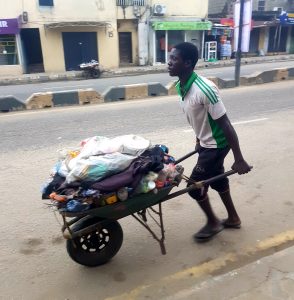
According to the agency, during a visit to Kosofe LGA on June 19, the LASEPA team collected seven water samples, including sachet water, household boreholes, a cart pusher’s keg, and treated borehole water. Out of these, four samples were found to be unsatisfactory due to high microbial counts and coliforms. Only the two sachet water samples and the agency’s borehole water tested satisfactory.
Mrs. Sola Adebayo, a resident of Ajegunle, highlighted the reality facing many families in her community. “Many children here suffer from frequent illnesses due to contaminated water,” Mrs. Adebayo explains with deep concern. “It is difficult to educate parents about hygiene when they lack access to clean water and proper sanitation,” Mrs. Adebayo laments.
In Ajegunle, like in many other underserved communities, access to clean and safe drinking water is a daily struggle. The water that families rely on for drinking and daily chores often carries harmful pathogens and pollutants, leading to persistent health issues such as stomach pains, diarrhoea, and other waterborne diseases.
The absence of reliable water sources makes it challenging for families to practice basic hygiene measures that are essential for preventing disease transmission. Without clean water for washing hands, cleaning utensils, and maintaining personal hygiene, efforts to promote health and sanitation in the community face significant barriers.
Many health facilities lack basic amenities, including clean water, electricity, and essential medical supplies. The overburdened healthcare system struggles to provide adequate care, leading to higher morbidity and mortality rates. This situation is exacerbated by the economic constraints faced by many families, who cannot afford the costs associated with medical treatment.
The environmental impact of poor waste and sewage management extends beyond human health. Polluted water bodies and soils disrupt local ecosystems, reducing biodiversity and harming wildlife. In rural communities, where agriculture is a primary source of livelihood, contaminated water can decimate crops and livestock, leading to food insecurity. The use of polluted water for irrigation introduces harmful pathogens and chemicals into the food supply, posing additional health risks to consumers.

Contamination of Water Sources and Implications on Sustainable Development Goal 6
The leakage of waste from landfills into Lagos’s water bodies represents a significant environmental and public health crisis. The contamination of water sources not only jeopardizes the health and well-being of residents but also undermines efforts to achieve sustainable development.
Sustainable Development Goal 6 (Clean Water and Sanitation) is a crucial global goal aimed at ensuring availability and sustainable management of water and sanitation for all by 2030. It encompasses various aspects of Water, Sanitation, and Hygiene (WASH), emphasizing the interconnectedness of these elements in achieving overall public health and environmental sustainability.
Achieving SDG 6 requires substantial improvements in WASH infrastructure and practices. However, the waste and sewage crisis in Lagos presents significant obstacles to progress. Access to clean water is a fundamental aspect of SDG 6, yet many communities in Lagos rely on contaminated sources. This situation undermines efforts to provide safe and affordable drinking water for all, a key target of the goal.
Sanitation is another critical component of SDG 6. The lack of proper sewage systems and waste disposal mechanisms in Lagos means that many residents practice open defecation or use inadequate sanitation facilities. These practices contribute to the contamination of water sources and the spread of diseases.
In an interview with Water and Sanitation expert, Mr. Peter Emmanuel Cookey, Acting Director of the Centre for Water and Sanitation Studies (CeWASS) at Rivers State University, Port Harcourt, during the Lagos International Water Conference (LIWAC) 2024, Mr. Cookey shared insightful perspectives on the health and sanitation challenges.
Highlighting a critical issue, he stated that, “Overall, the main concern is the open disposal of excreta. We must address open defecation. Even if one defecates into water-closets, like those in hotels, where does it end up? It goes untreated,” he explained.
“Currently, there are no working treatment plants in Lagos. Therefore, the first step should be to collect and treat faecal waste. To illustrate, one sewage truck can handle the waste of 5,000 people practicing open defecation. If we collect and properly dispose of faecal waste, we can mitigate environmental problems significantly,” he added.
Mr. Cookey emphasized the potential benefits of faecal sludge management. “From faecal sludge, various materials can be recovered, such as biochar for cooking fuel and biofuel for energy. Water can also be treated and reused for agriculture. These solutions are practical and achievable with commitment and innovative thinking.”
Concluding his thoughts on immediate measures for the ongoing challenges, Mr. Cookey advised, “For this current outbreak, people should avoid consuming food of uncertain quality. It is essential to eat warm food and ensure that drinking water is boiled to at least 100 degrees Celsius to kill harmful bacteria.”

Socioeconomic Impacts and Inequality of Water Pollution
Access to clean water is not just a matter of convenience but a fundamental right that directly impacts the health and well-being of residents, particularly vulnerable children. The waste and sewage crisis in Lagos exacerbates existing social and economic inequalities.
Rural communities, which are often marginalized and under-resourced, bear the brunt of the crisis. These communities have limited access to clean water, sanitation facilities, and healthcare services, making them particularly vulnerable to the adverse effects of environmental pollution. The resulting health burdens not only strain household finances due to medical expenses but also hinder children’s educational attendance and performance, perpetuating cycles of poverty.
Women and children are disproportionately affected by the lack of clean water and sanitation. Women, who are typically responsible for water collection and household hygiene, spend significant amounts of time and effort securing clean water, often at the expense of other economic opportunities.
Inequities in access to clean water deepen when considering economic impacts. Families often spend a significant portion of their income purchasing bottled water or seeking medical treatment for waterborne illnesses. This financial strain further limits their ability to invest in education, housing improvements, or entrepreneurial endeavours, perpetuating economic stagnation.
Furthermore, the lack of reliable water and sanitation infrastructure hinders community development and economic growth. Businesses may face higher operating costs or struggle to maintain hygienic standards, affecting productivity and profitability. In turn, this undermines local employment opportunities and limits the potential for economic advancement within these communities.
Socially, inadequate access to clean water and sanitation contributes to social stigmatization and exclusion. Families may face discrimination or marginalization due to perceptions of uncleanliness, body odour, or other disease risks associated with their living conditions. This can reinforce social divides and erode community cohesion, hindering collective efforts to advocate for improved infrastructure and services.
“I spend hours each day collecting water, which takes time away from my small business. I can’t afford to hire help, and my child often misses school to help with chores. It’s a never-ending cycle of hardship,” shares Mrs. Grace Atah, reflecting on the daily struggle to secure water for her family in Ikorodu. Her testimony underscores how water scarcity not only affects household chores but also disrupts economic activities and educational opportunities, perpetuating a cycle of poverty.
Government and Policy Interventions
According to Governor Babajide Sanwo-Olu, less than 40% of Lagos residents had access to water as of 2021. The governor made this statement at the Lagos International Water Conference (LIWAC 2021), themed ‘Water Security and Investment Opportunities in Megacities: A Case of Lagos State.’
Represented by Deputy Governor Obafemi Hamzat, Governor Sanwo-Olu acknowledged the water challenges faced by residents. He highlighted his administration’s efforts to address these issues, particularly with the establishment of the Adiyan II water infrastructure, which is expected to provide 70 million gallons of water per day to help bridge the gap between water demand and supply.
In his words, he said: “The Lagos State Water Supply Master Plan estimates daily water demand in the city at 540 million gallons per day (MGD) but production by the Lagos State Water Corporation (LSWC) stands at 210 MGD. This shows a clear deficit of over 300MGD, which translates to less than 40% access to clean and safe water,” he said.
“As a government, we are not oblivious to this gap and its consequences on the health of our populace. In order to close this gap, I toured the Lagos Water Corporation facilities at Adiyan, Iju and Akute at the inception of my administration. We have expended resources on these facilities, and I am happy to tell you that the Adiyan II plant that will bring an additional 70 MGD to the already existing water capacity will soon become operational,” he added.
However, the implementation of these initiatives has been fraught with challenges. Funding constraints, bureaucratic inefficiencies, and lack of public cooperation have hindered progress. There is also a need for stronger regulatory enforcement to ensure compliance with waste disposal regulations. Many residents and businesses flout these regulations with impunity, contributing to the widespread problem of indiscriminate waste disposal.
Moreover, there is a pressing need for public education campaigns to raise awareness about the health and environmental risks associated with improper waste and sewage disposal. Such campaigns should aim to change public attitudes and behaviours towards waste management, encouraging individuals to adopt more responsible practices.
Earlier, the Lagos State Governor, Mr. Babajide Sanwo-Olu, at the fifth edition of the Lagos International Water Conference (LIWAC) 2024 which held at the Eko Hotel in Victoria Island, while emphasizing the State Government’s commitment to providing easy access to safe water and hygiene as they are fundamental for human survival and the rights of the citizens, he charged stakeholders in the water and sanitation sector to identify the challenges and source for long-term funding to spur sustainable action required to complete the Adiyan Water treatment plant to ensure the availability of potable water for the residents of Lagos State.
In his words, he stated that: “To ensure easy access to safe water, our government has, over the last four years shared knowledge and increased the budgetary allocation to the water and sanitation sector. It is essential that the discussions at this conference translate to action for a more functional Lagos.”
Similarly, the Executive Secretary of the Lagos State Water Regulatory Commission (LSWRC), Mrs. Funke Adepoju, in her welcome address emphasized the critical need for investment in the sector, adding that this year’s conference with the theme Financing Water and Sanitation for a Greater Lagos highlights the importance of creating a sustainable and investor-friendly environment in the water sector.
She noted that this year’s theme was selected to identify various frameworks for long-term financing options to foster an enabling business environment for private sector investment in Lagos State’s water and sanitation sector, supported by the Lagos WASH Policy.

In a one-on-one interview with the Onsite Sanitation Manager of Nakuru Water and Sanitation Company, Kenya, Engineer Timothy Wanjohi, a panelist at the Lagos Water Conference, the sanitation advocate, emphasized the critical need for data collection to inform policy and prevent disease outbreaks, particularly in ongoing cholera outbreak. Speaking on the current situation, Wanjohi stressed the importance of understanding the impact of outbreaks on communities.
Address one of the most pressing effect of water contamination currently facing the state and Nigeria at large, the Cholera outbreak, the water and sanitation expert said: “The first step is for authorities to collect accurate data on the outbreak,” Wanjohi stated. “We need to quantify the number of people affected and assess the costs incurred in treating that cholera outbreak, or preventing its spread. This data is crucial for influencing policy decisions aimed at preventing future outbreaks.”
Highlighting the economic implications, Wanjohi added that, “By quantifying the resources spent on treating a disease that could have been prevented with safe sanitation management, for instance, safe management, ensuring that everyone has a toilet, and that toilet waste is being safely managed. The aspects of hand-washing, it is not costly, those are simple things that can be done. These interventions not only prevent diseases but also promote public health and well-being.”
Wanjohi underscored the affordability and effectiveness of such measures. “Simple interventions, such as ensuring universal access to safe toilets and promoting hand-washing, can significantly reduce the risk of outbreaks without requiring substantial financial investments. Hand-washing and safe sanitation are cost-effective strategies that can be implemented widely,” he explained.
Wanjohi urged authorities to prioritize data collection and leverage it to implement sustainable sanitation solutions. “With accurate data on disease burdens and prevention measures,” he emphasized, “we can empower communities and policymakers to improve sanitation infrastructure and safeguard public health.”